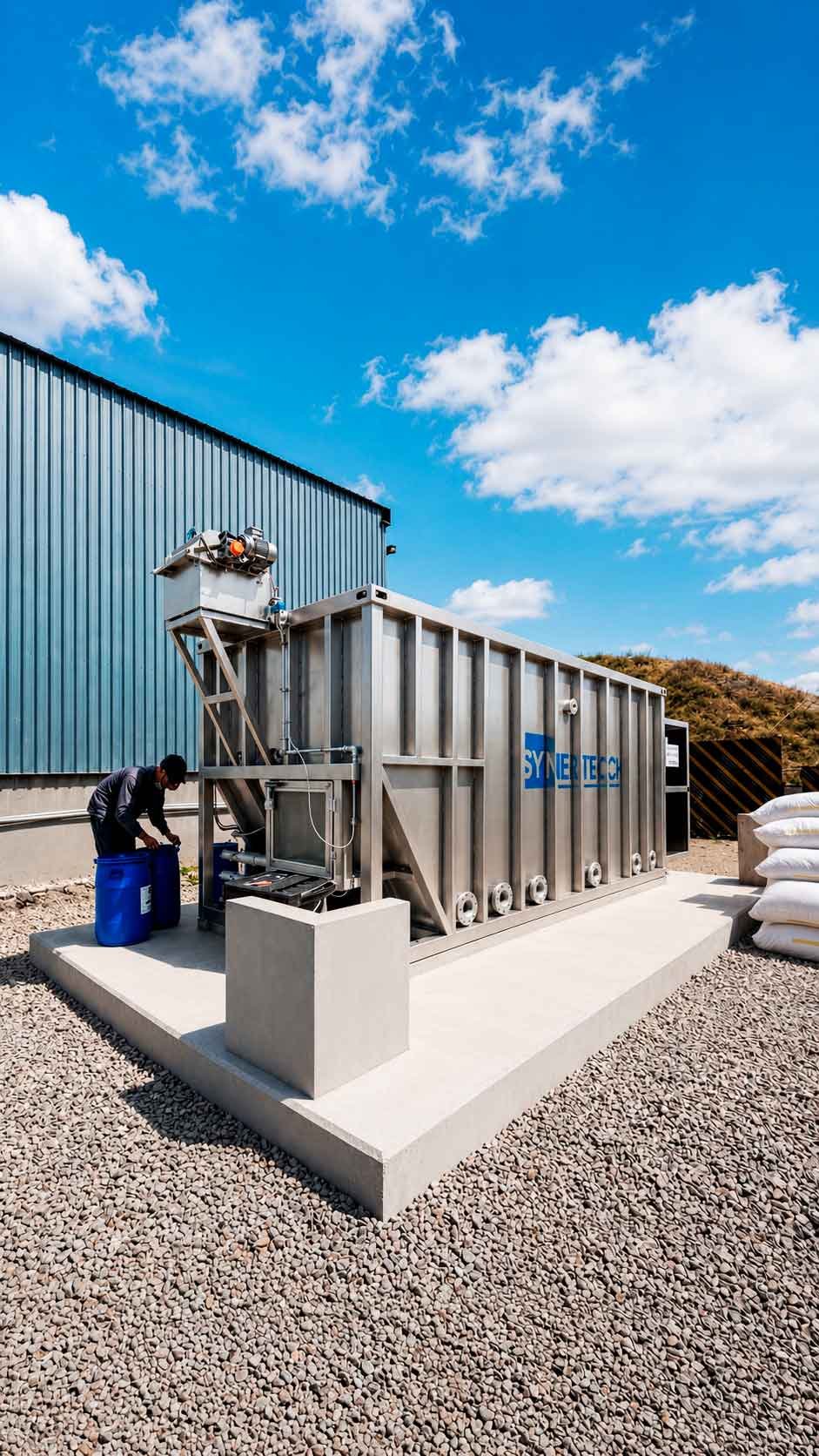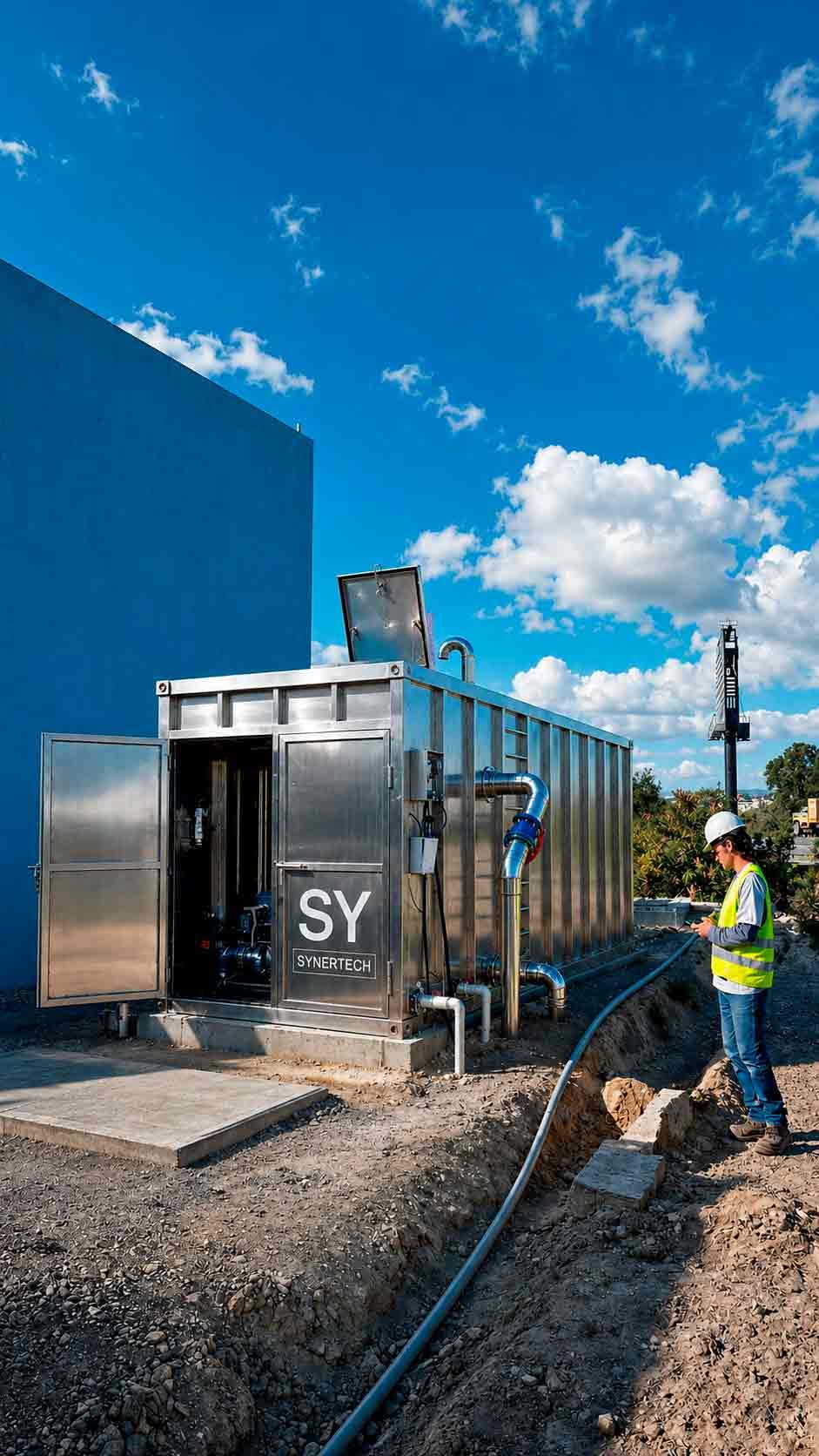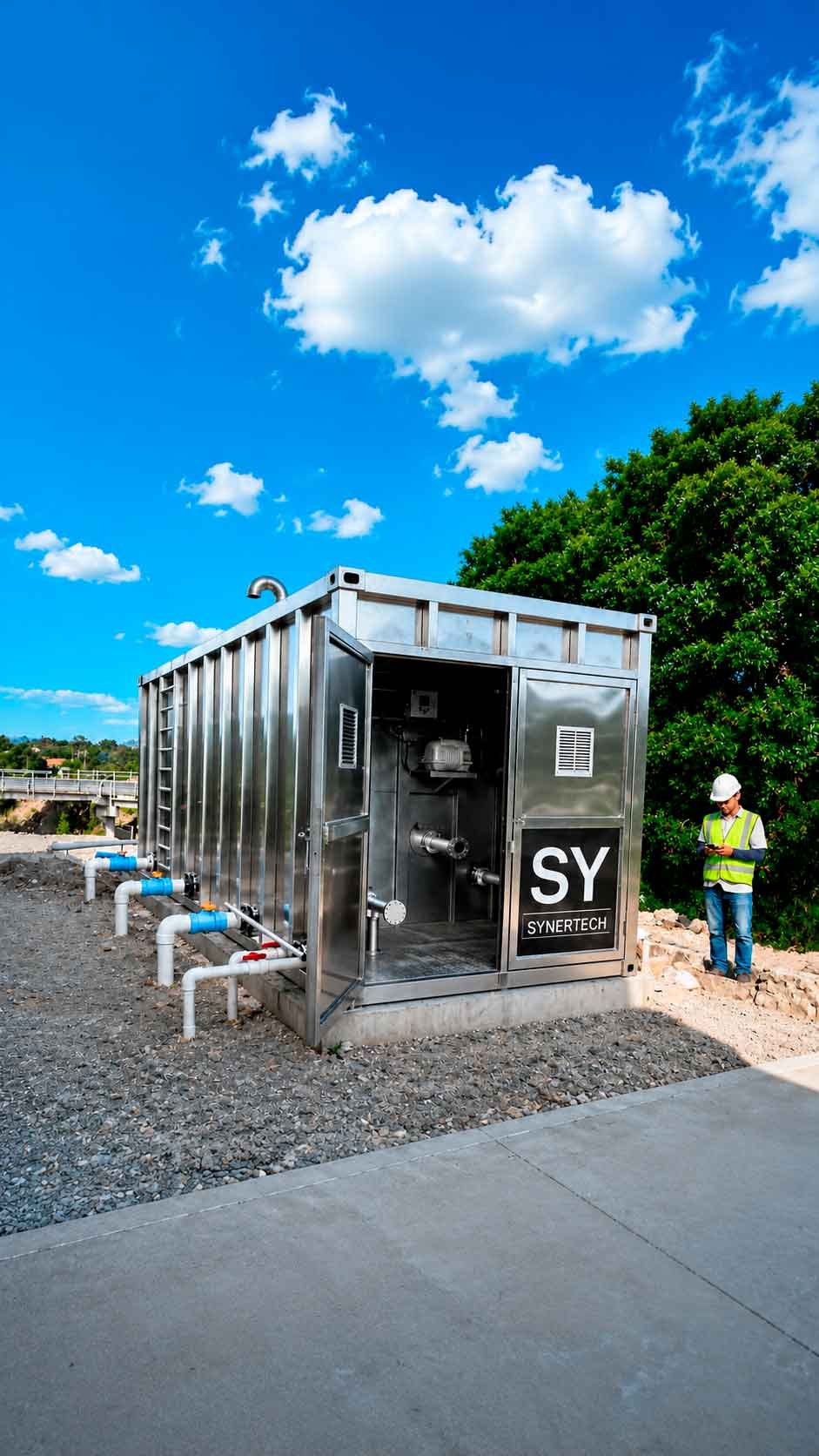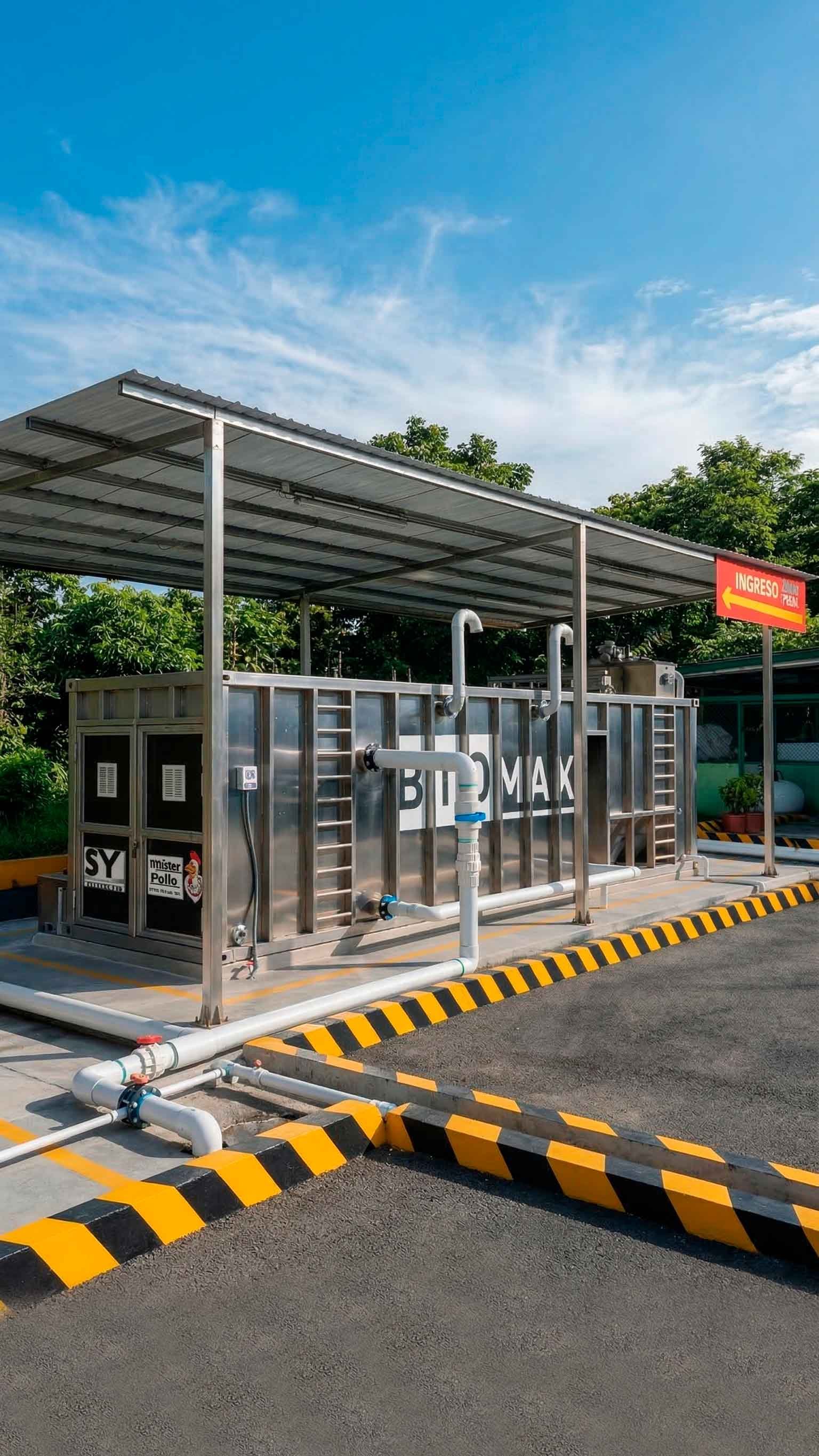
COMPACT PLANTS
INDUSTRIAL MODULAR TECHNOLOGY

Treatment Plant for the
Food and Beverage Industry

CONTAINERIZED HYBRID SYSTEM:
MAXIMUM TREATMENT IN MINIMAL SPACE.

Modern food, dairy, meat-processing and beverage industries generate highly complex effluents. High loads of fats, sugars, blood and cleaning chemicals can quickly overwhelm conventional systems. BIOMAX is the technological response to this challenge.

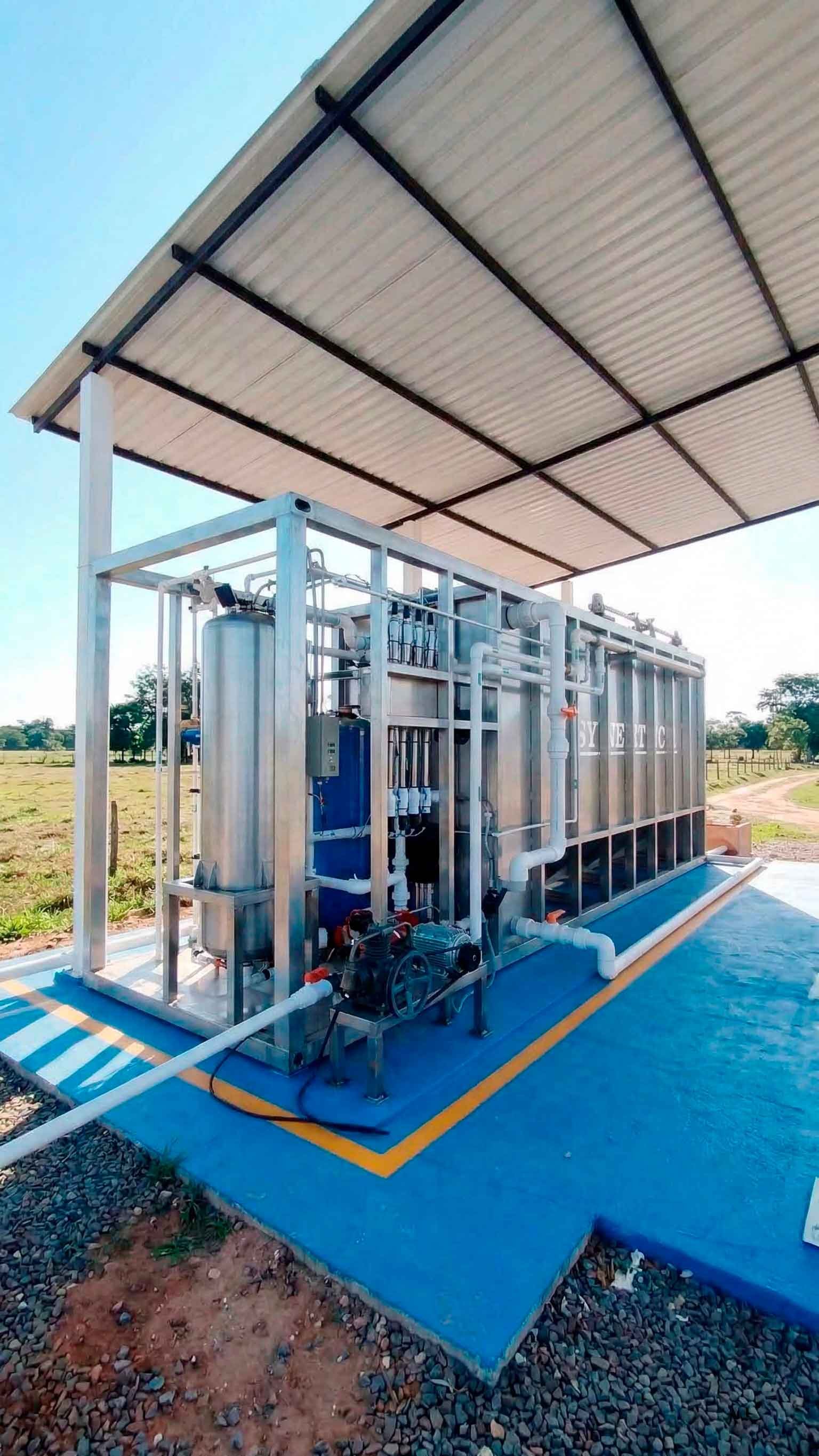
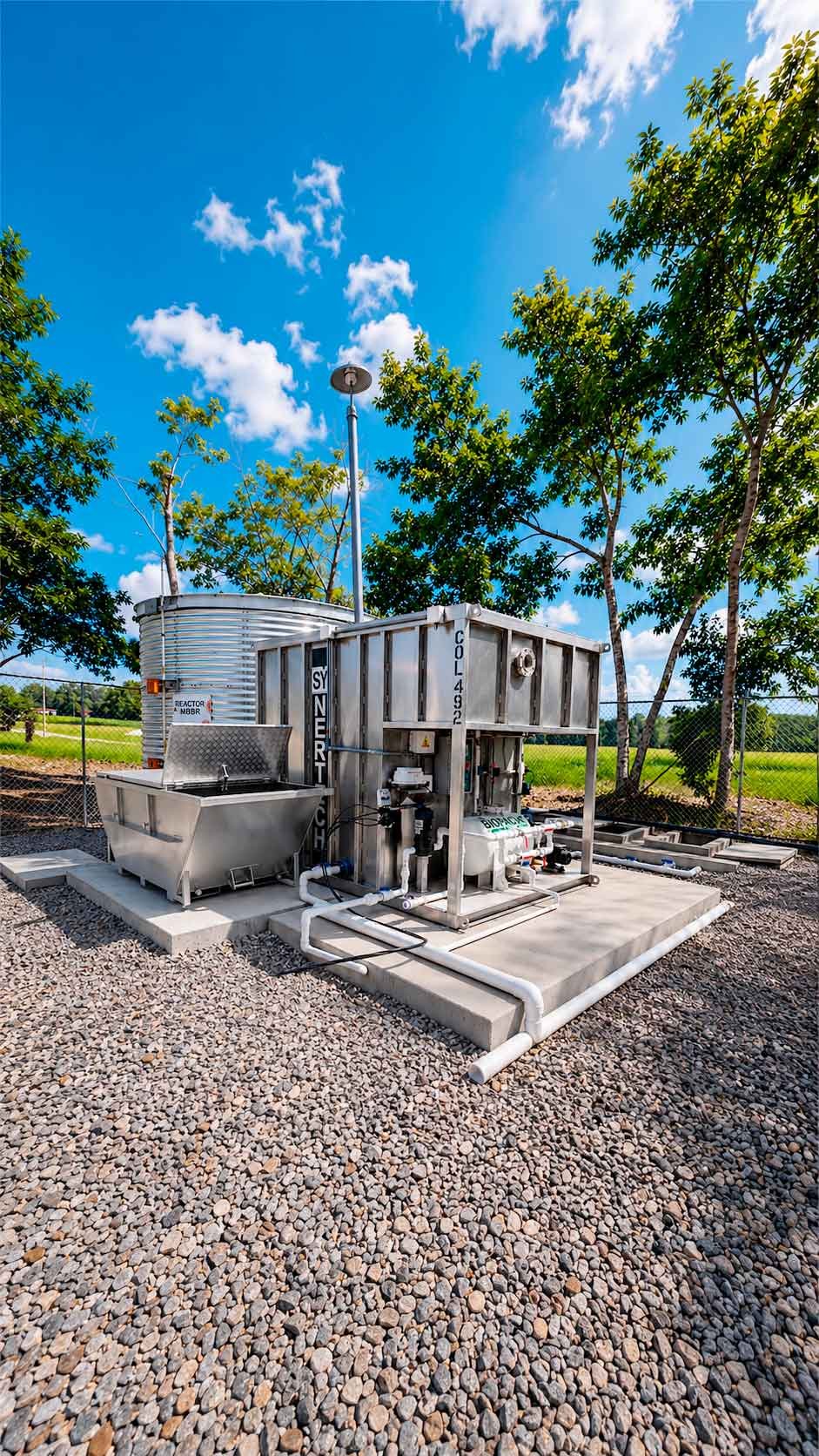
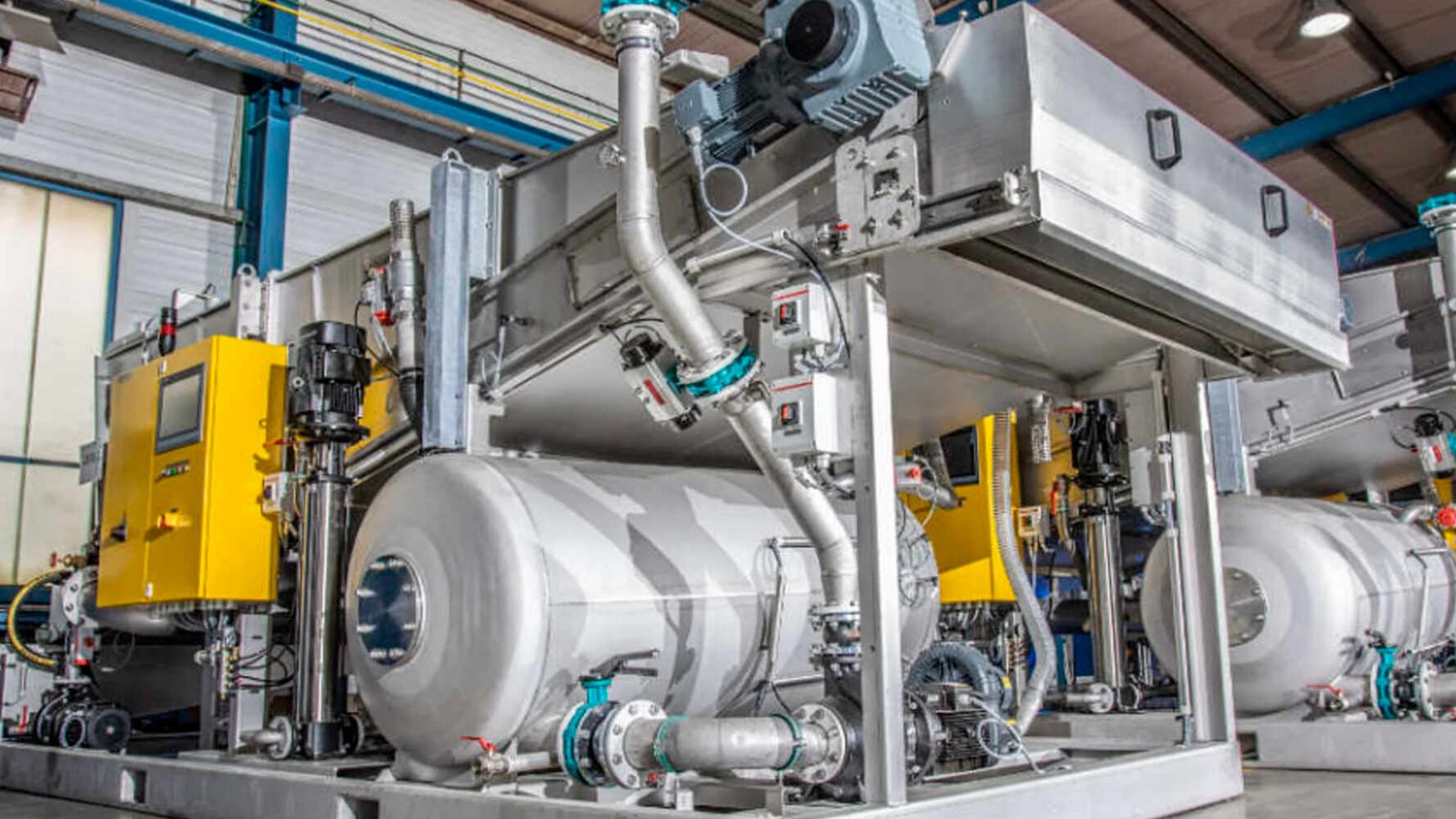
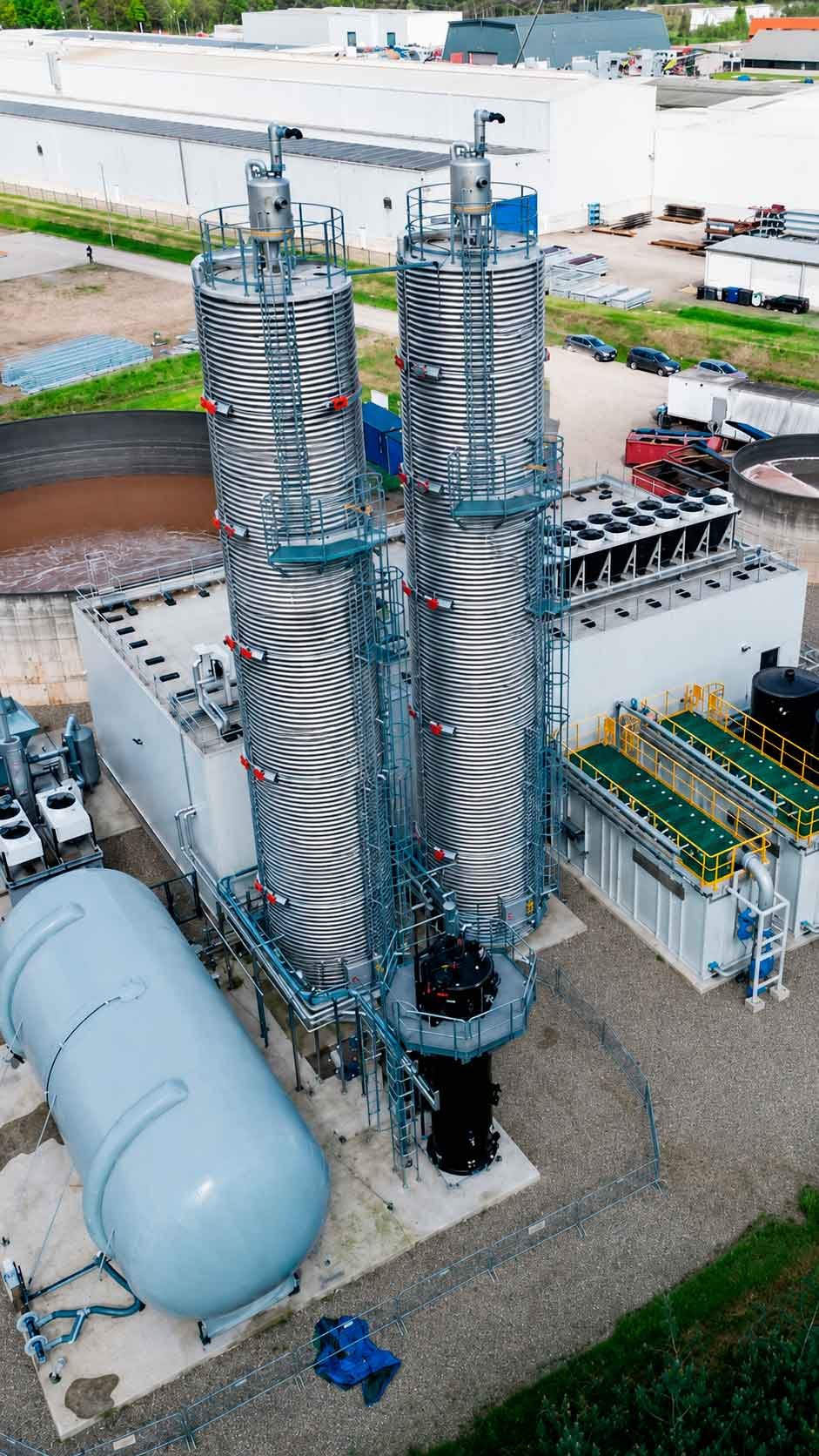
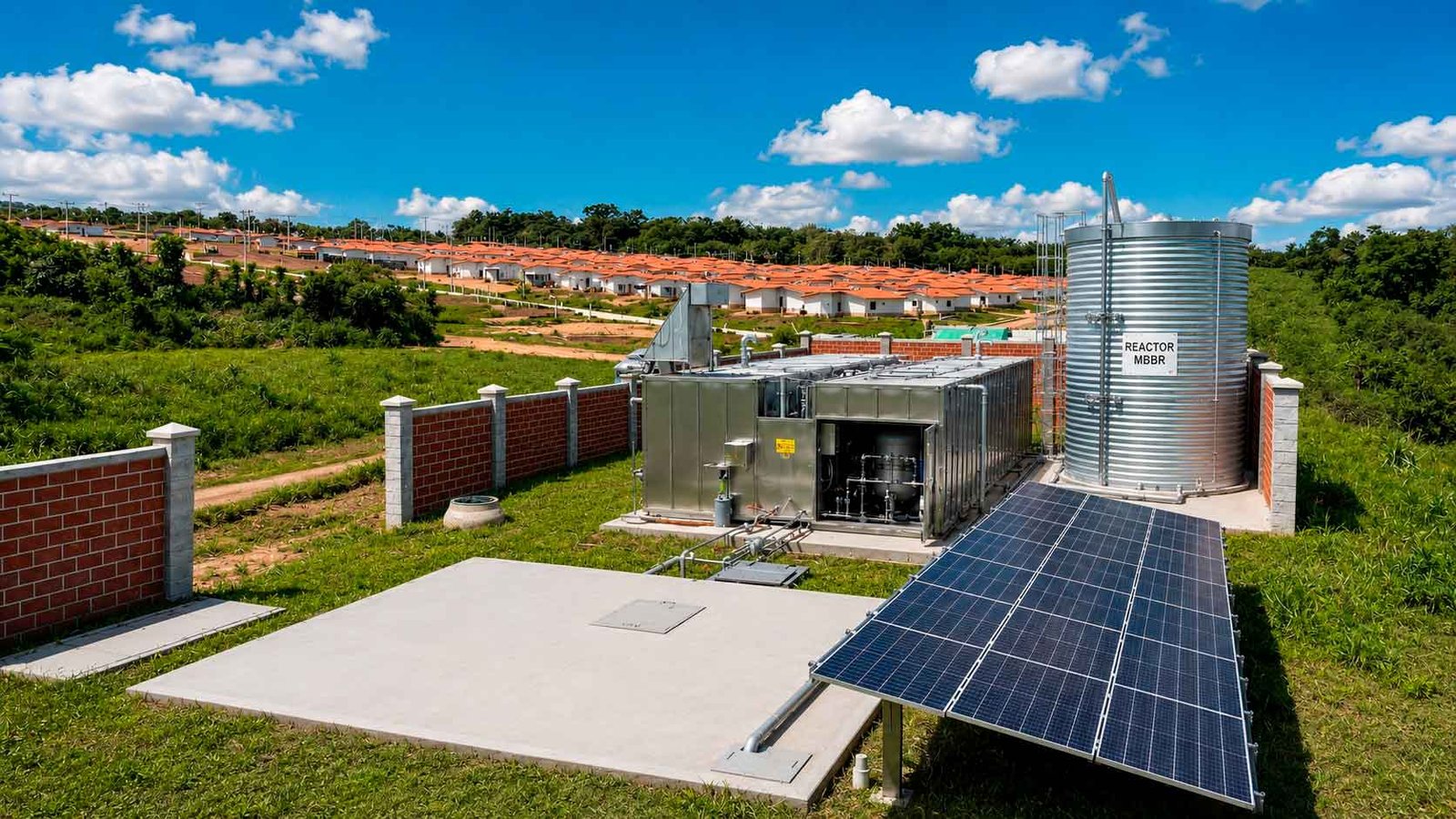
We designed an advanced hybrid system that combines the power of Physicochemical Pretreatment (DAF) with the high treatment capacity of Biological Reactors (MBBR), all integrated into ready-to-operate modules. It removes BOD, suspended solids and fats, supports full environmental compliance and enables safe water reuse.

BIOMAX Series Engineering

Why leading factories choose our packaged systems instead of conventional concrete basins.

  • Modular Architecture (No Major Civil Works)

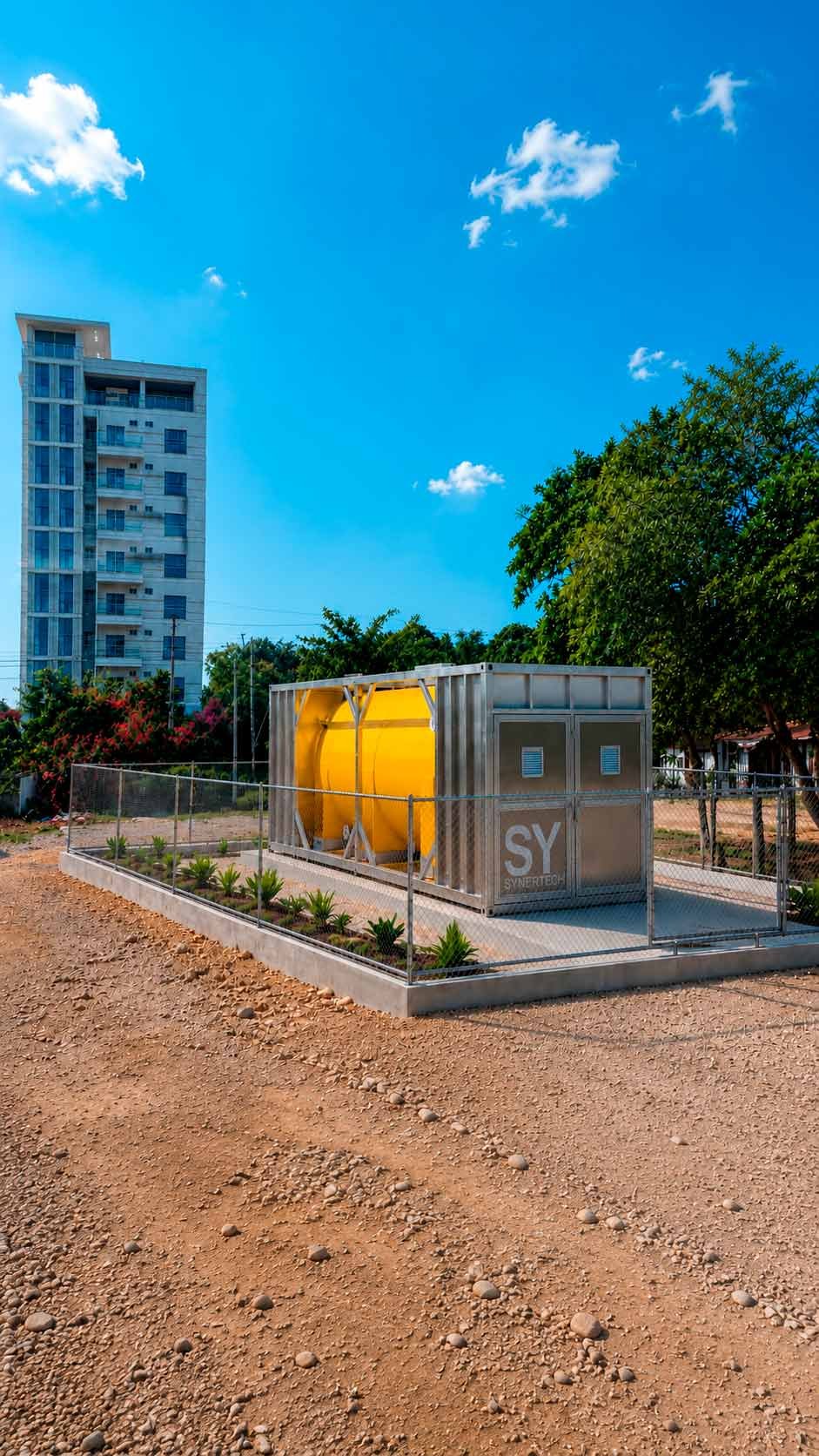
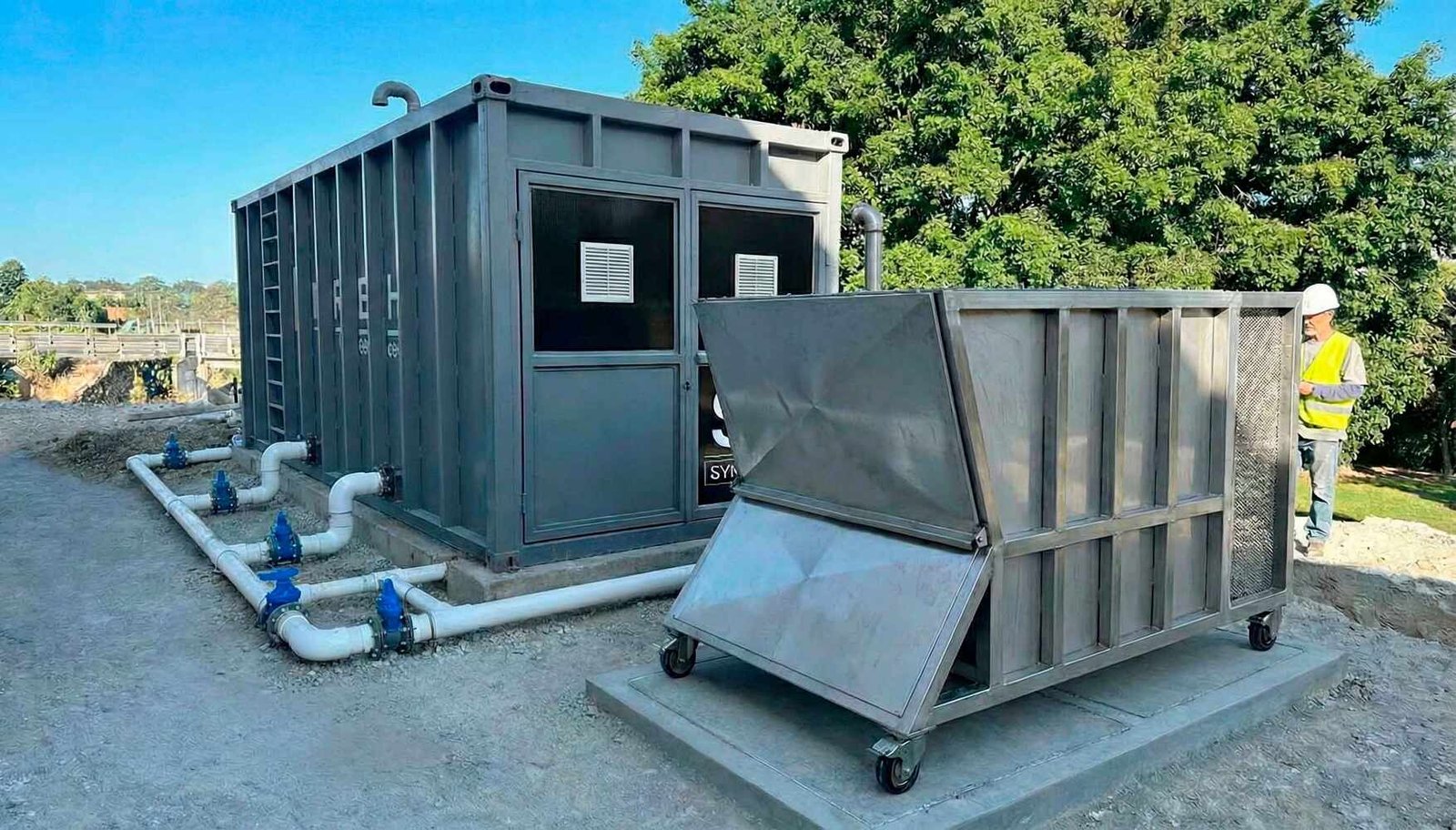
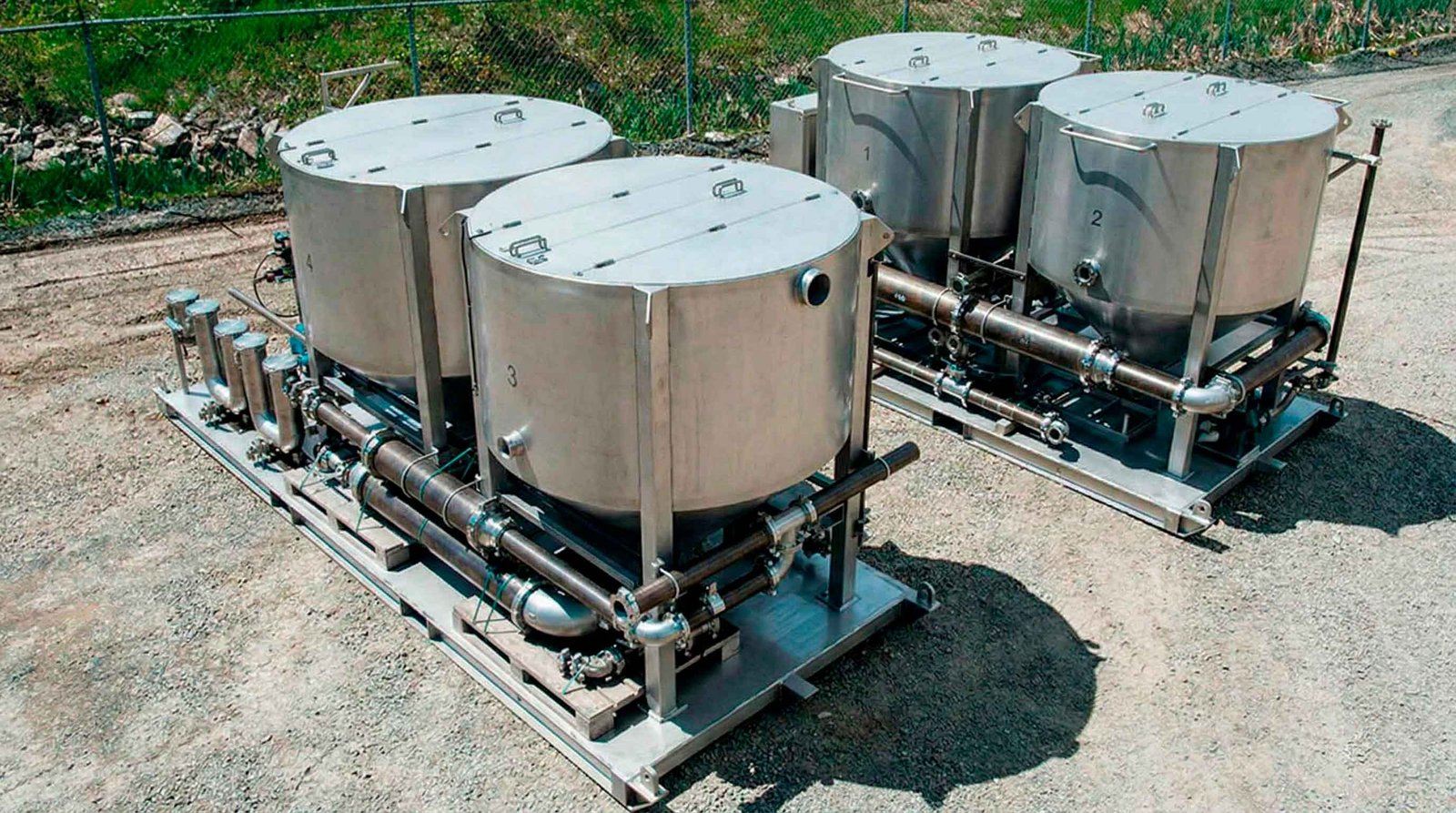
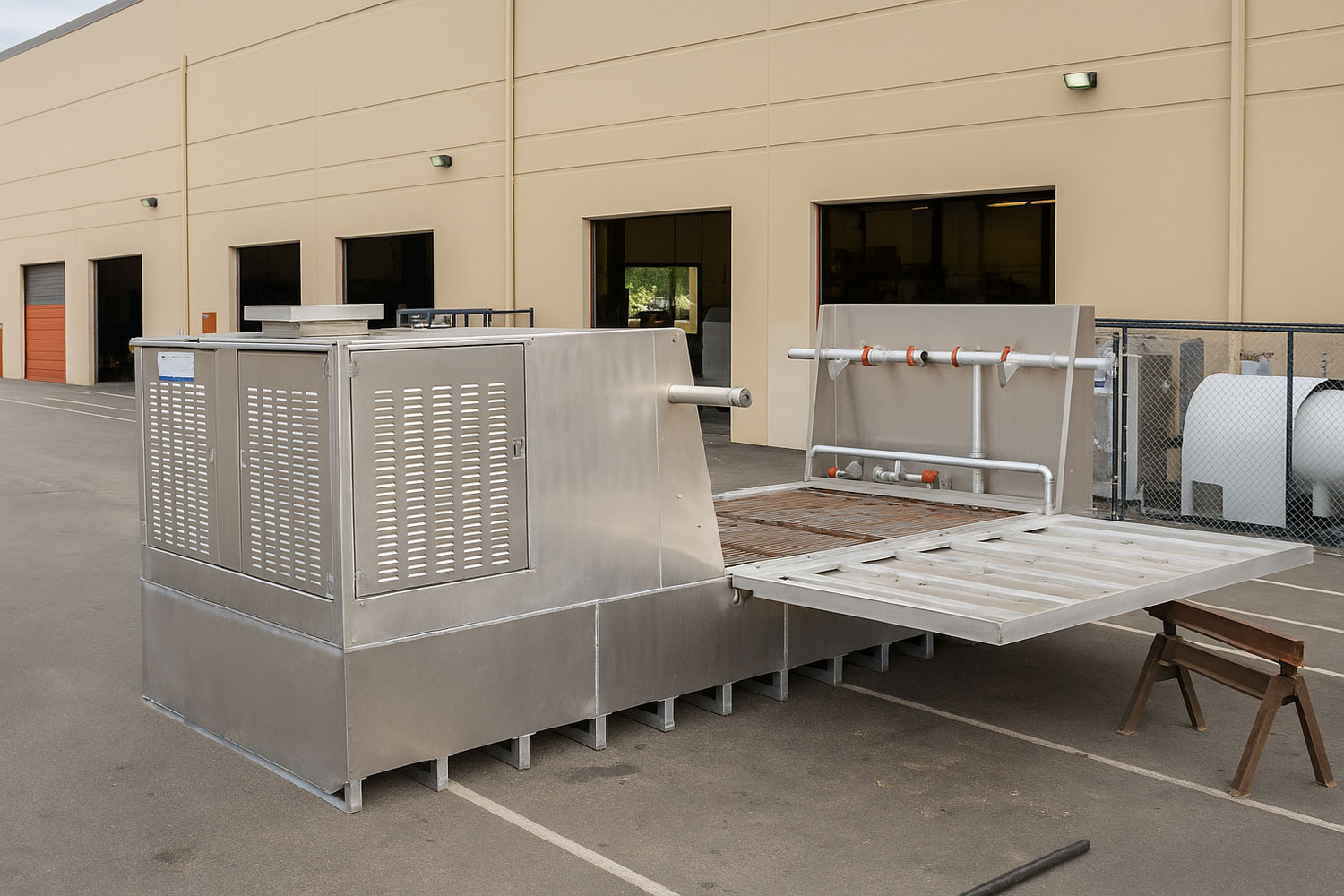
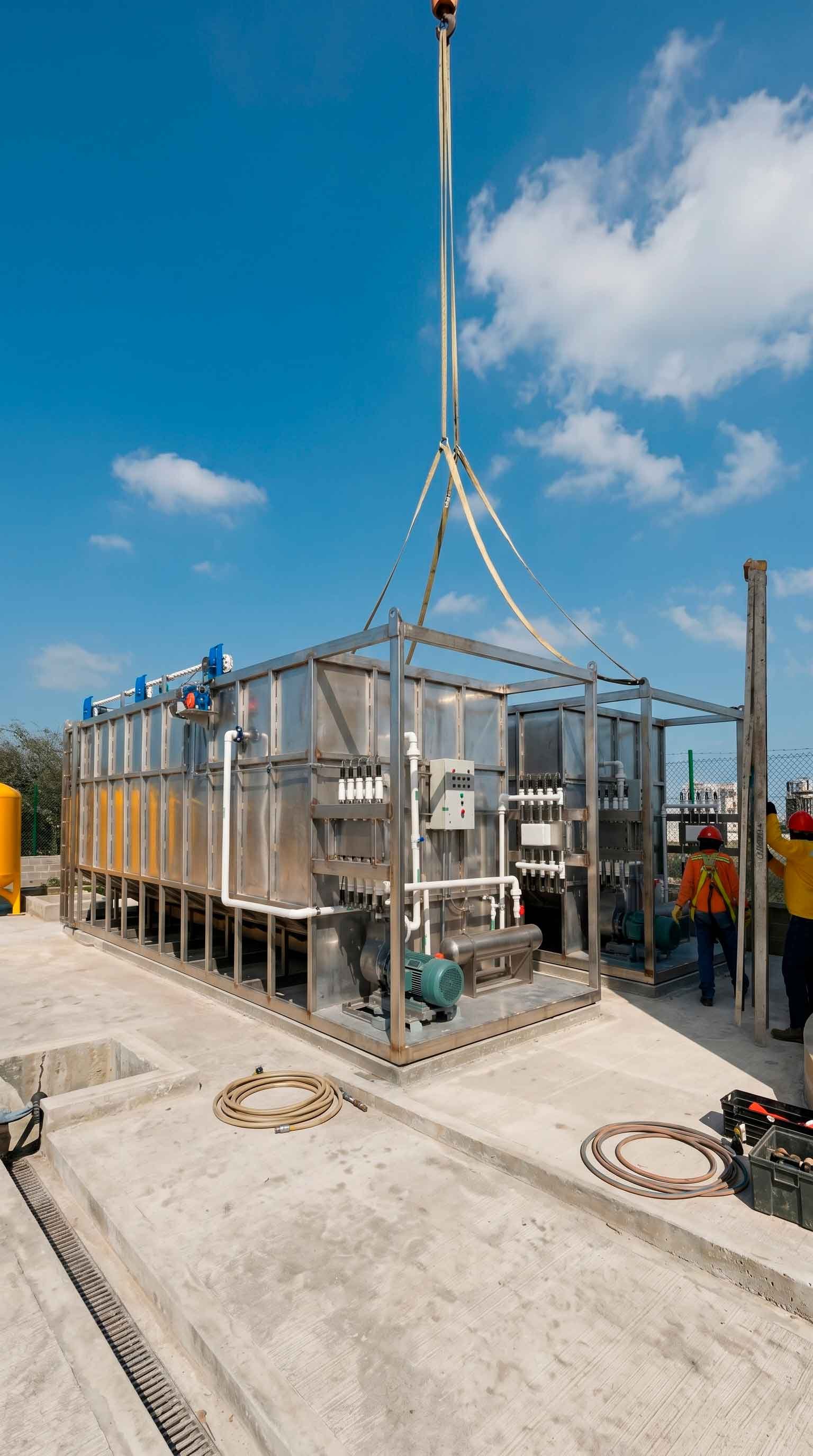
    Equipment preassembled in containers or steel skids. We reduce the installation footprint and shorten installation time from months to only days.

  • Biological Stability (MBBR)

    Our moving-bed technology absorbs sudden variations in organic load typical of industrial wash cycles, helping prevent biological process failure.

  • Autonomous Operation

    Integrated PLC panels automatically manage chemical dosing, aeration and sludge purging while optimizing chemical and energy consumption.

EPC MODEL: ENGINEERING, PROCUREMENT & CONSTRUCTION

Engineering for
Reliable Regulatory Compliance

Avoid production shutdowns and environmental penalties. We develop heavy-duty containerized plants that treat complex industrial effluents and help your facility operate at full capacity.

Resistance to Fats and Oils

Designed to withstand severe conditions in meat-processing, dairy and beverage applications. DAF integration protects the biological reactor from high COD and oil loads.

Industrial Circular Economy

Through optional Advanced Oxidation or Ultrafiltration tertiary systems, we polish the water for reuse in boilers, equipment washing and cooling towers.

Turnkey Project

We assume full project responsibility and deliver industrial modules ready for connection, avoiding extended shutdowns caused by major civil works.

Our Operating Process 360°

1 Custom Engineering

We characterize your facility's actual effluent. We analyze fats, solids and BOD to define precise chemical dosing and size the required technology.

2 Industrial Manufacturing

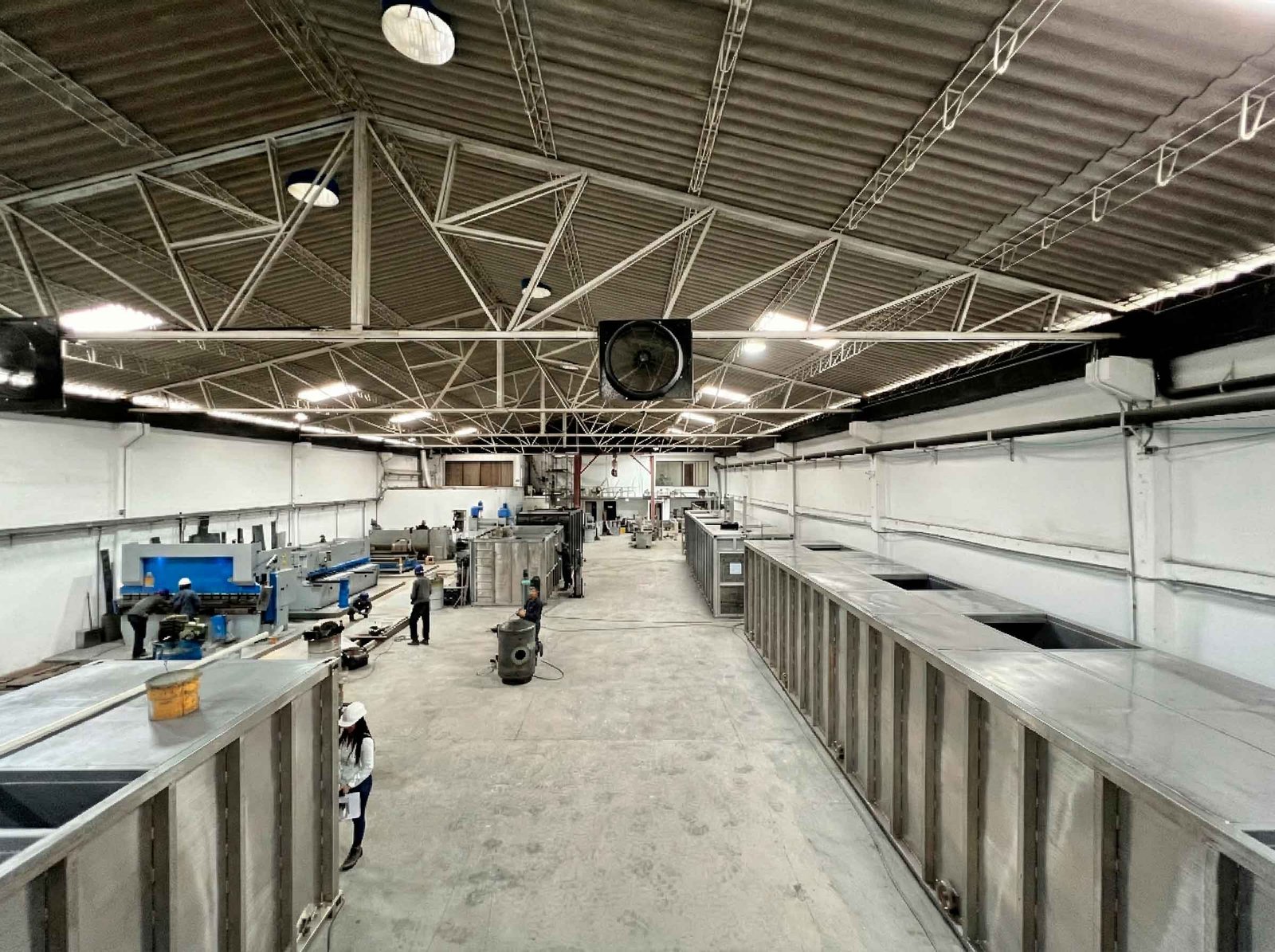
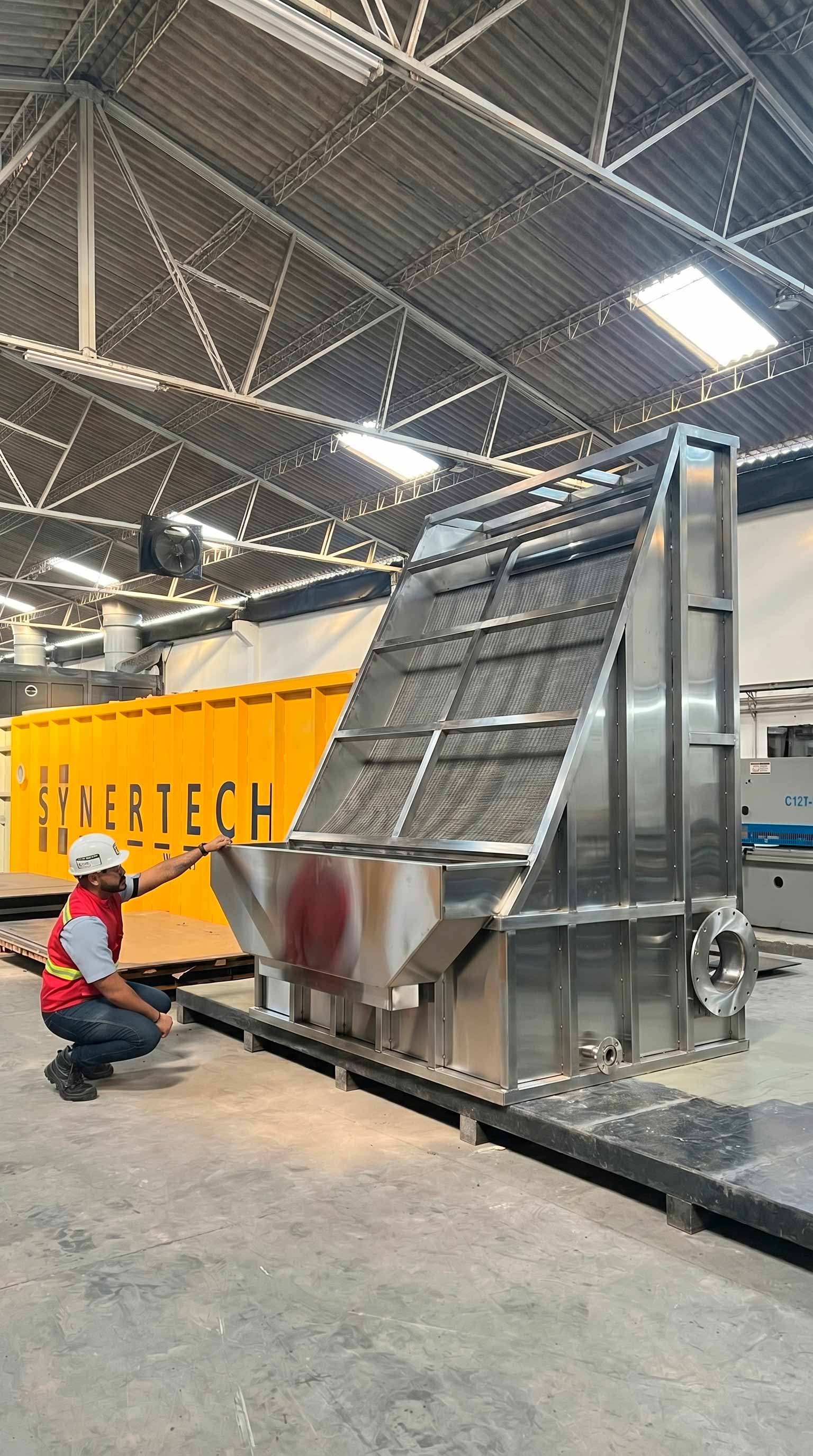
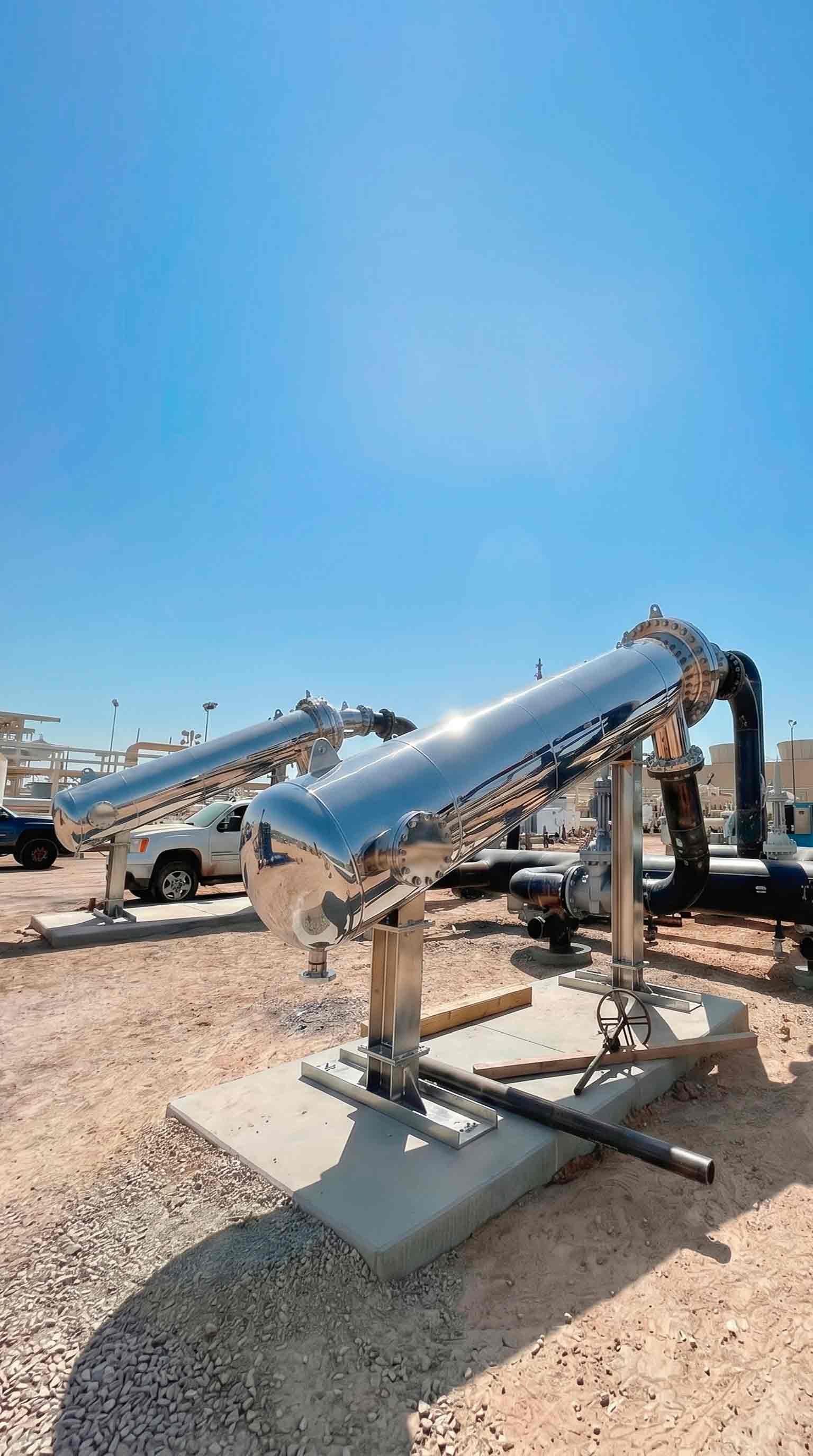
We manufacture equipment in stainless steel or carbon steel with epoxy coatings suitable for aggressive plant cleaning chemicals.

3 International DDP Logistics

We ship the containerized plant directly to your facility and manage customs procedures and import duties.

4 Skid Deployment

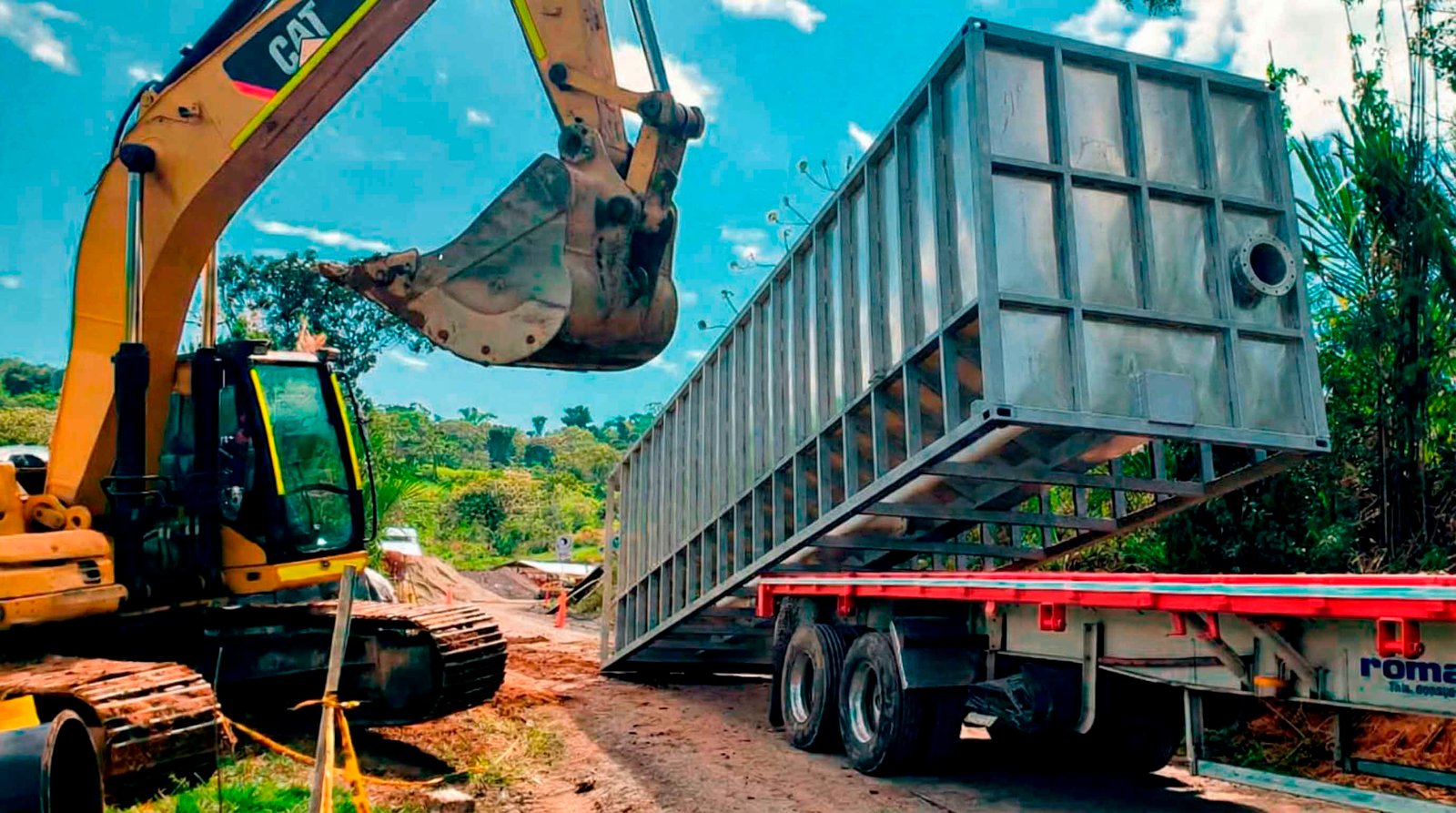
We transport preassembled skid-mounted systems while protecting all internal components during shipment.

5 Plug & Play Installation

We minimize production-line interruptions. Containers are positioned, pumping lines connected, power supplied and commissioning initiated.

6 Commissioning and Support

We support initial biomass development and provide staff training, predictive maintenance and continuous monitoring.

STEP-BY-STEP ENGINEERING

Treatment Process BIOMAX

A modular design in which every technology performs a critical role. BIOMAX treats industrial contamination through a robust treatment train, taking effluent from its raw condition to a high-quality final state.

Phase 1: Physical Pretreatment

Screening and
Equalization

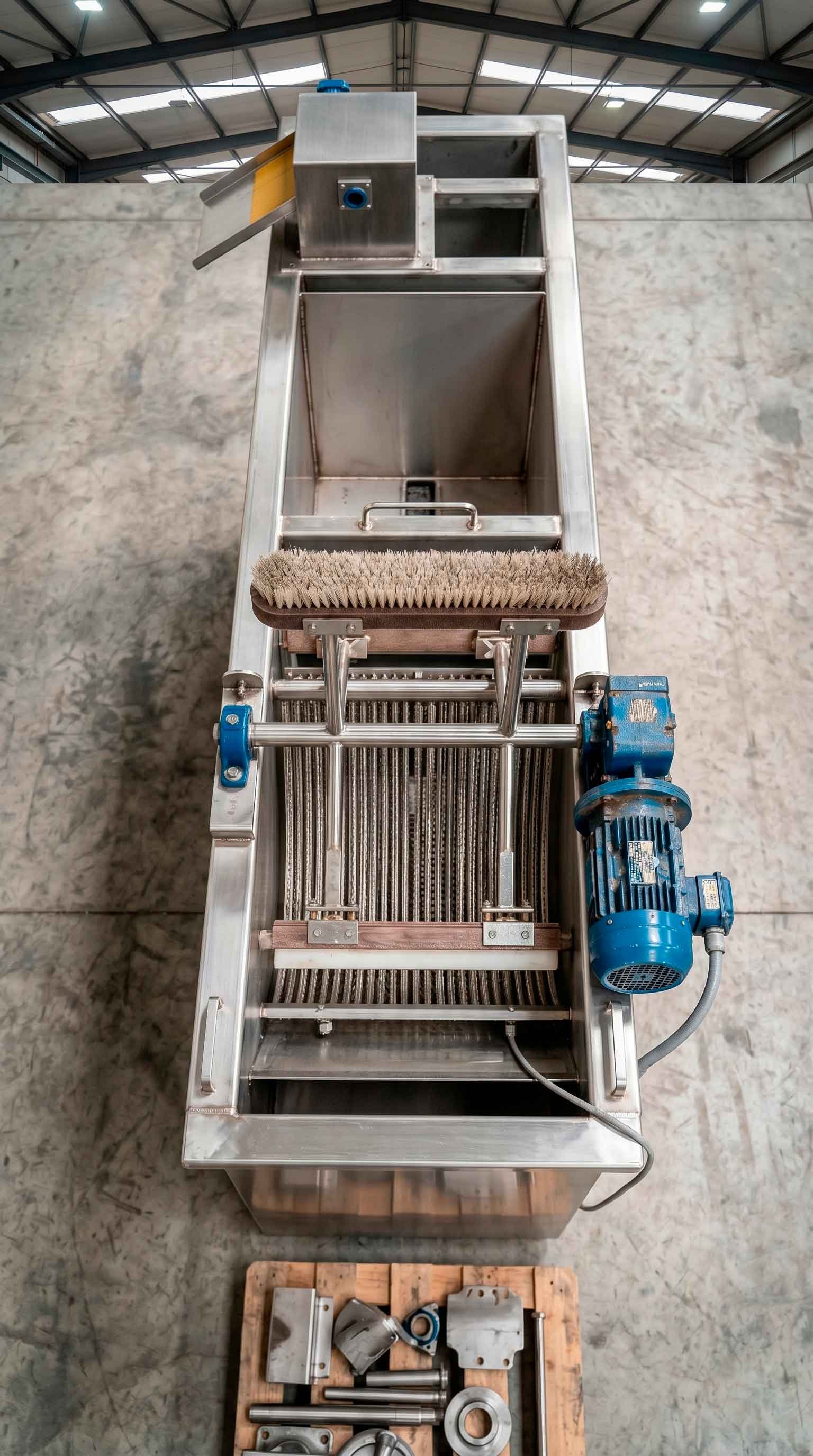
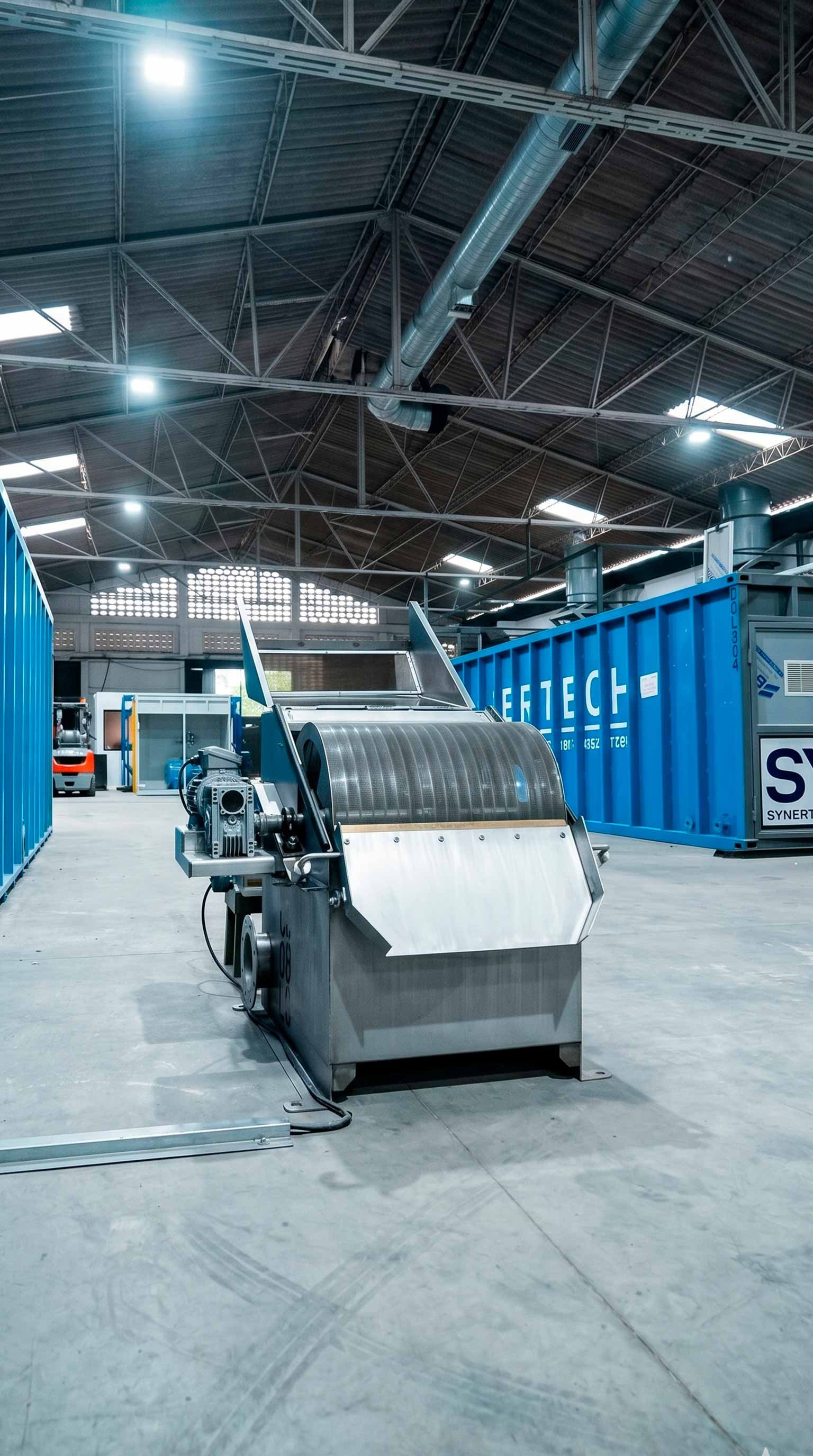
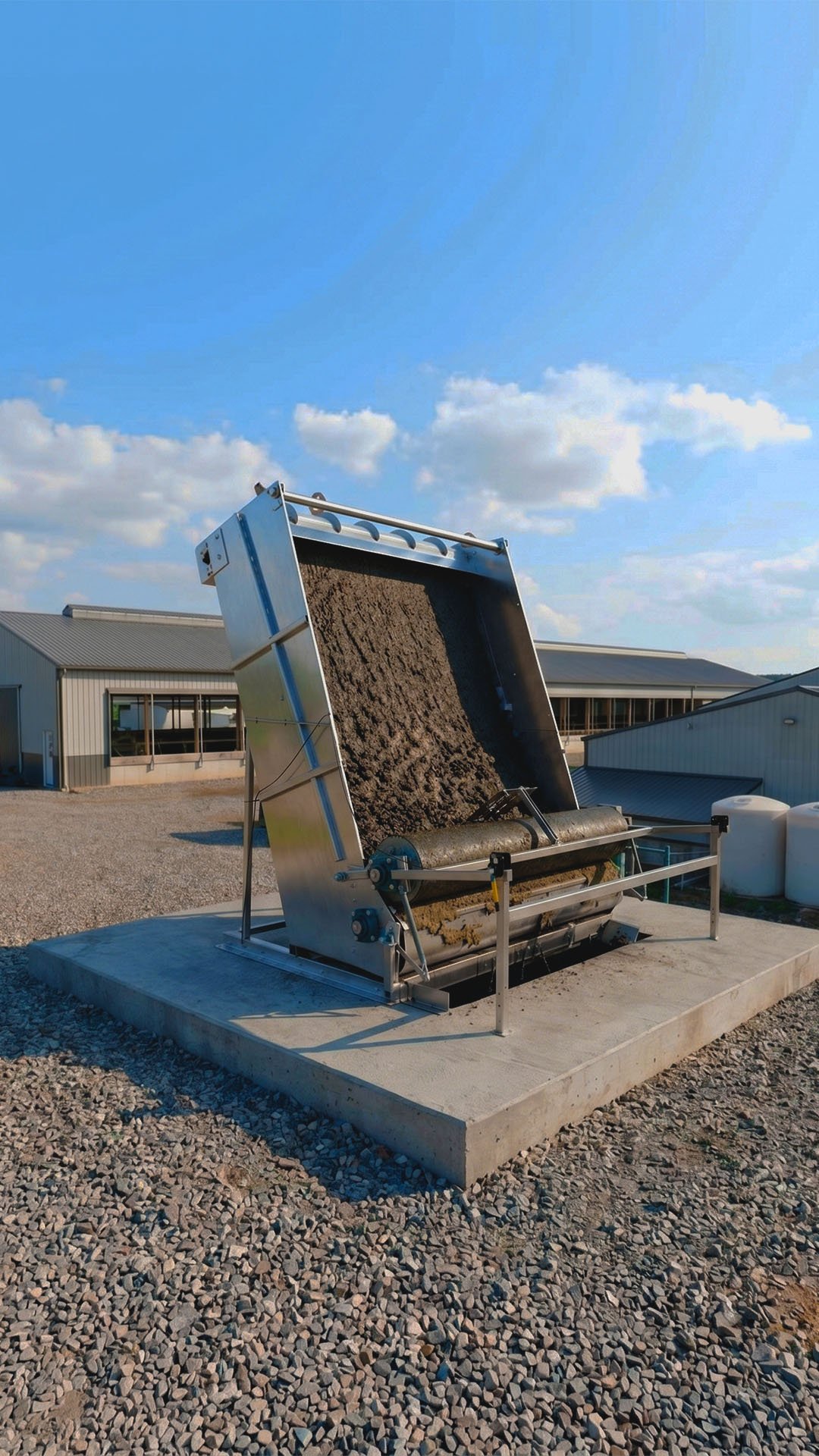
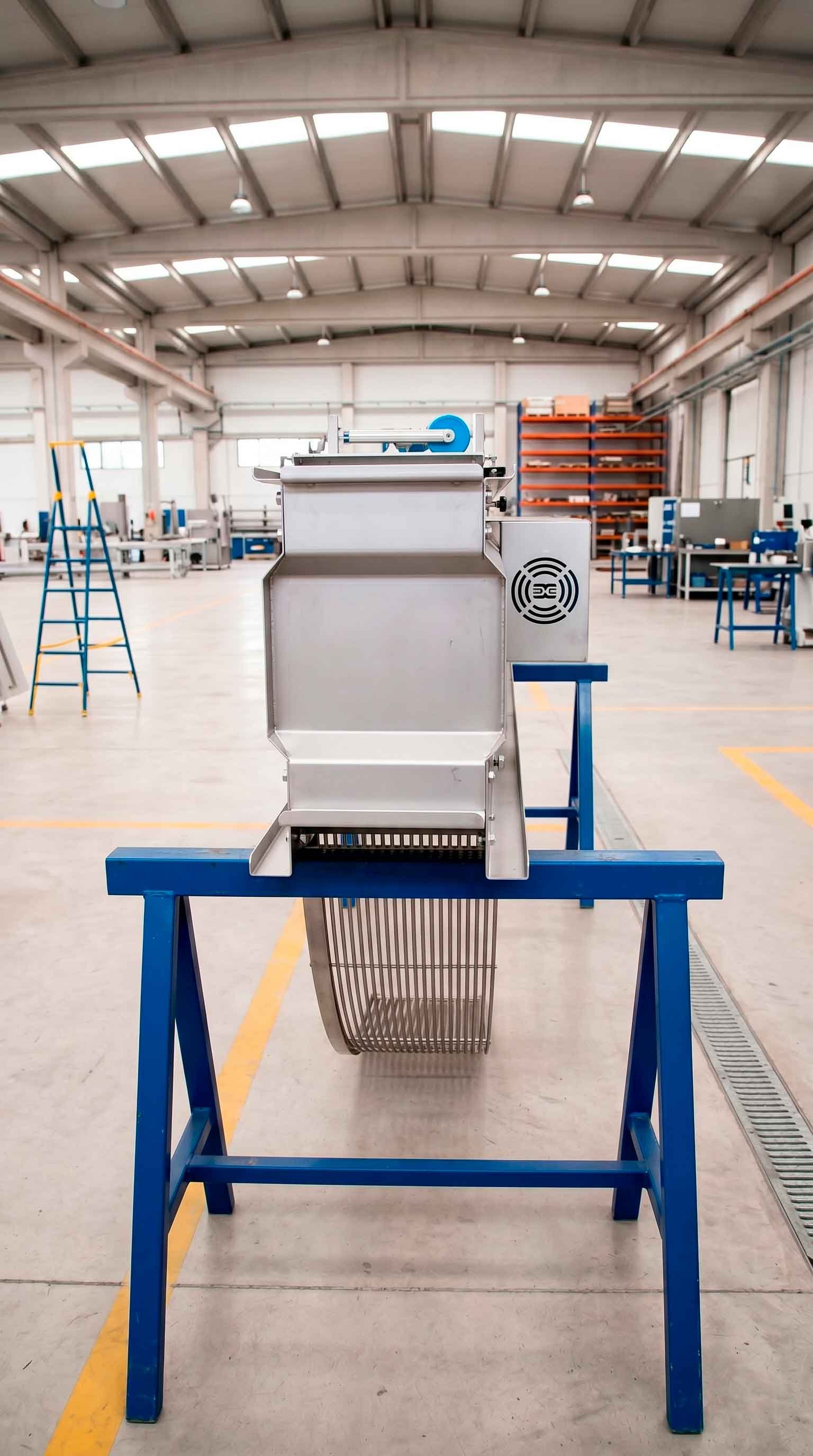
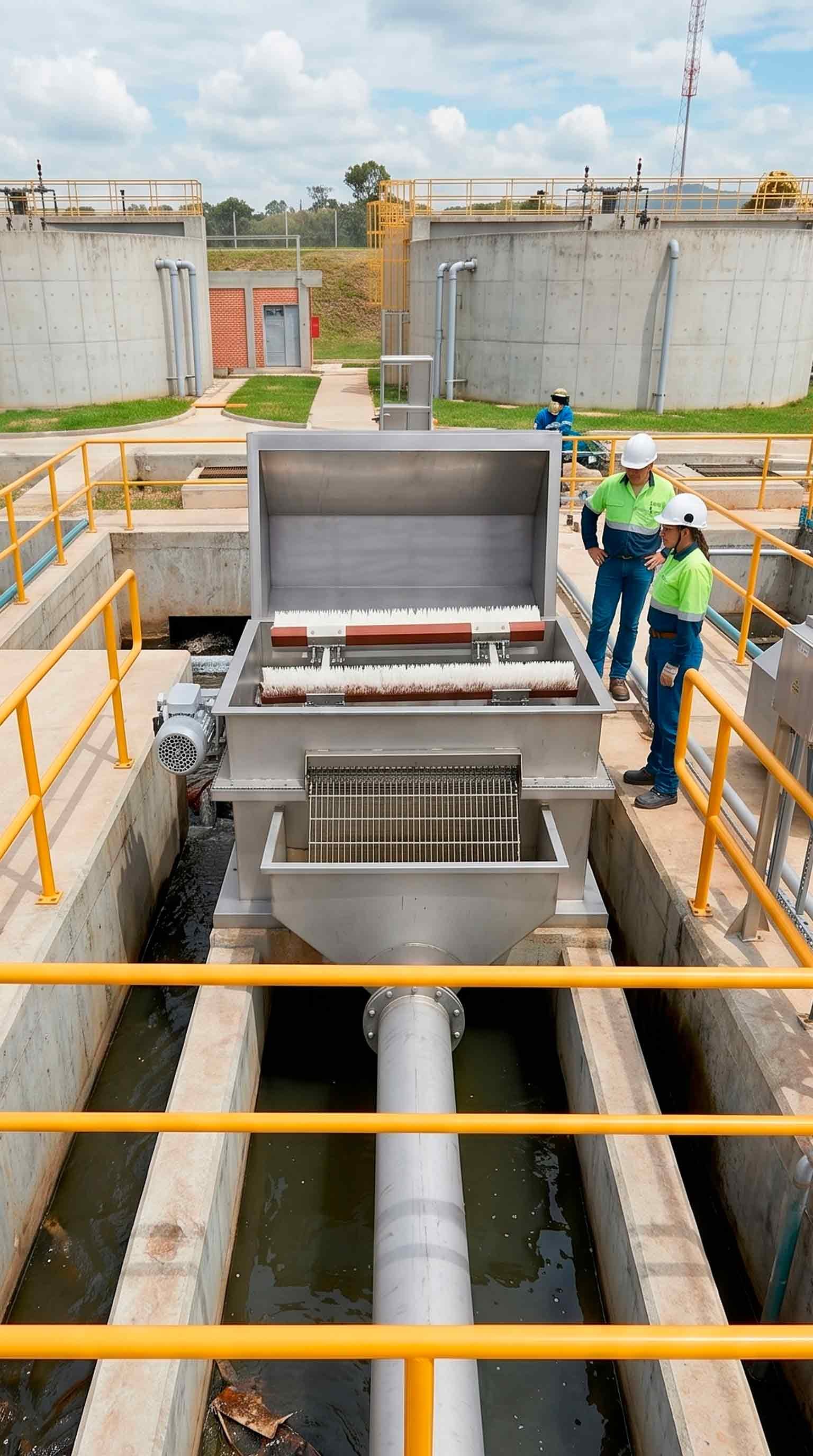
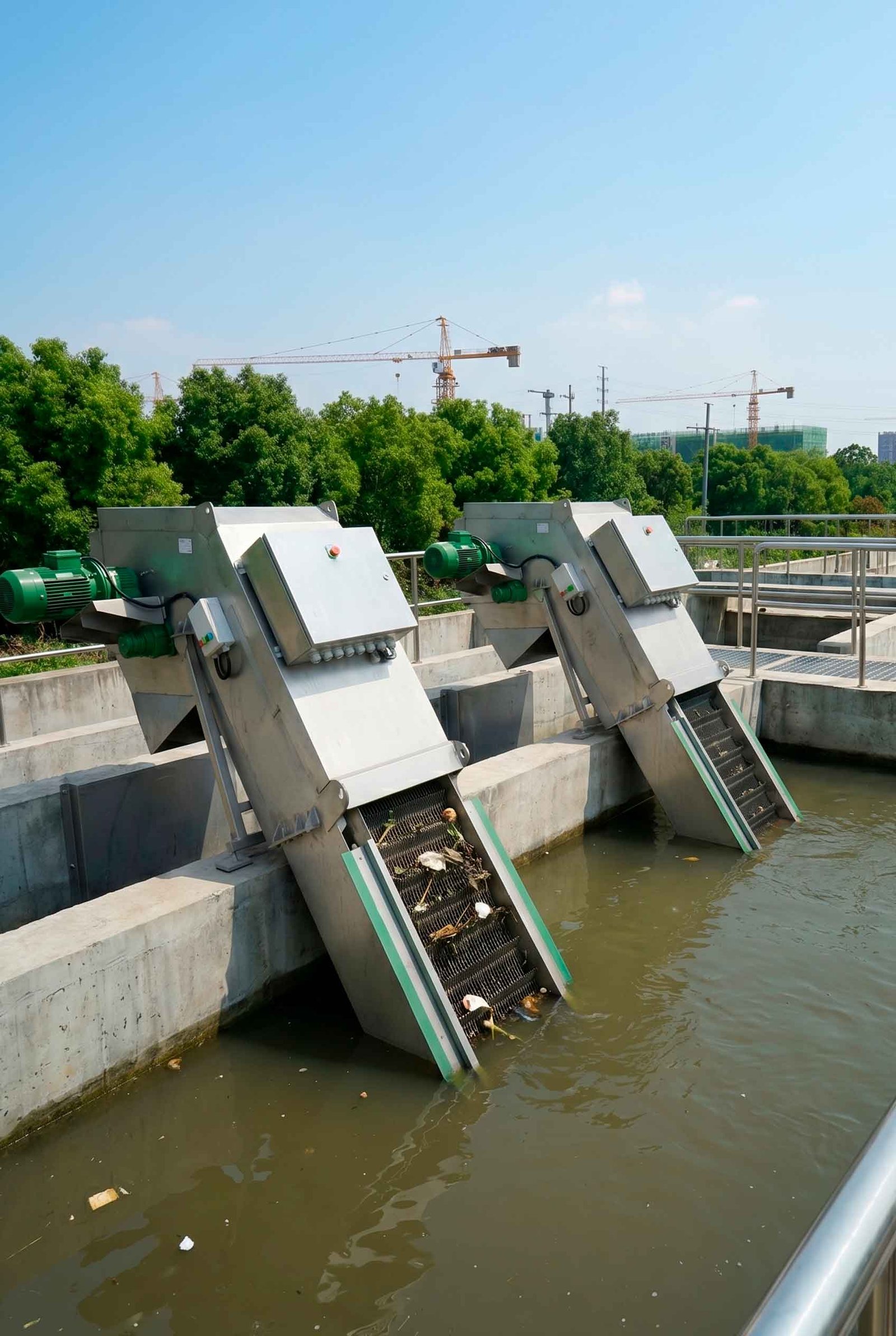
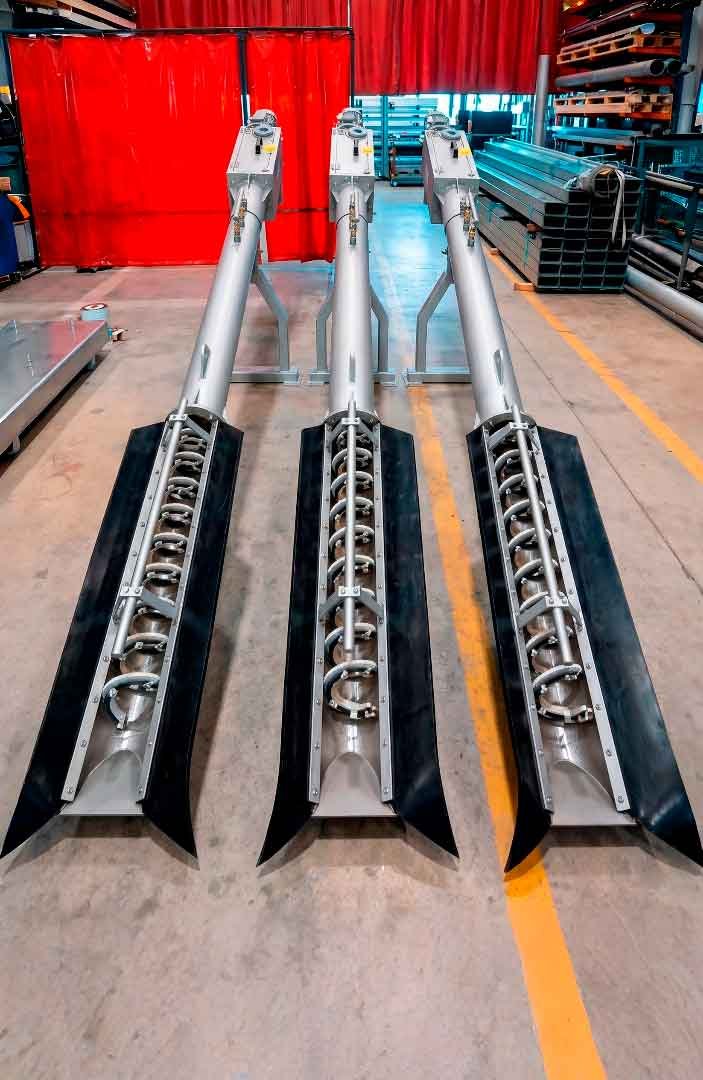
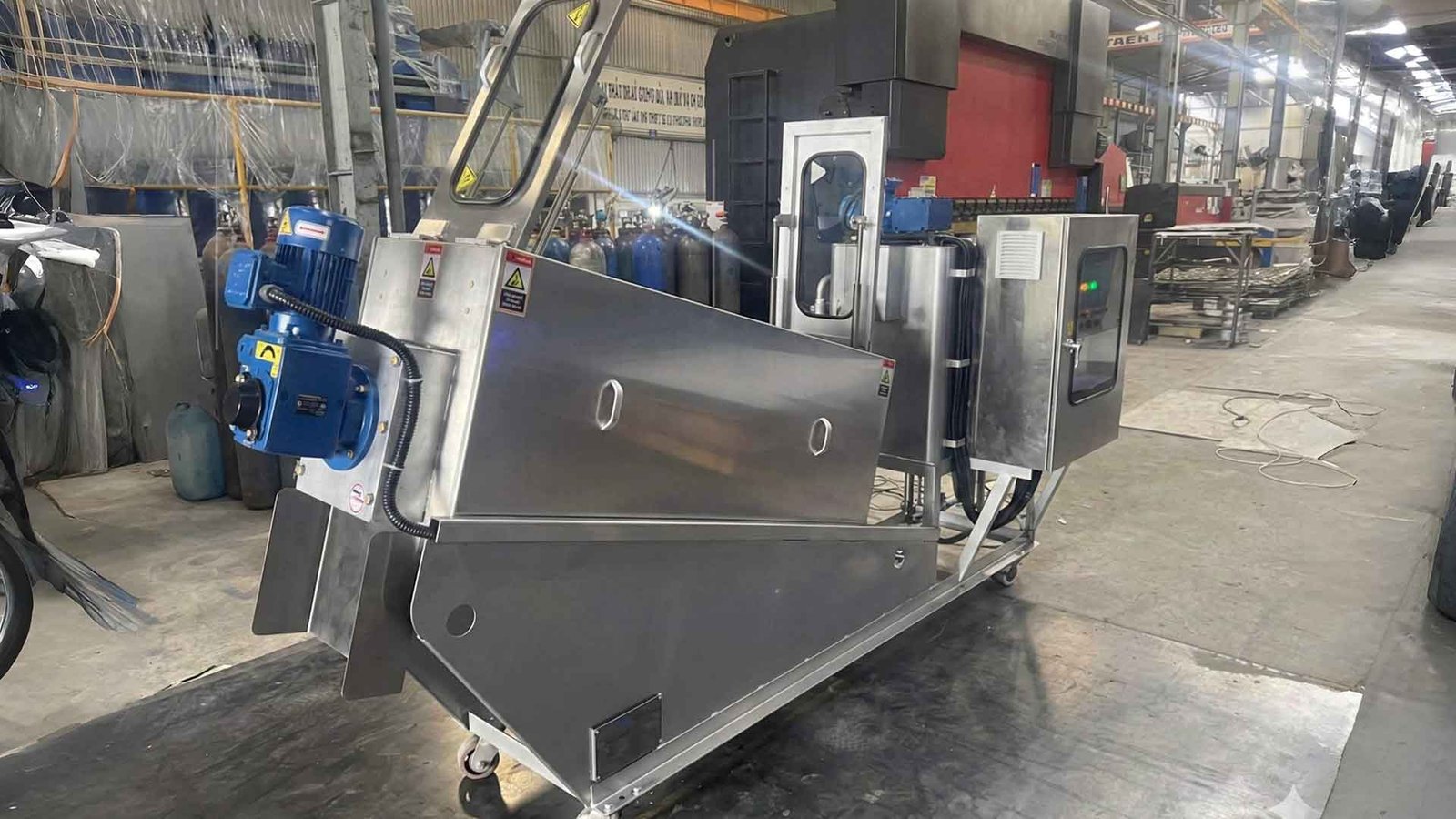
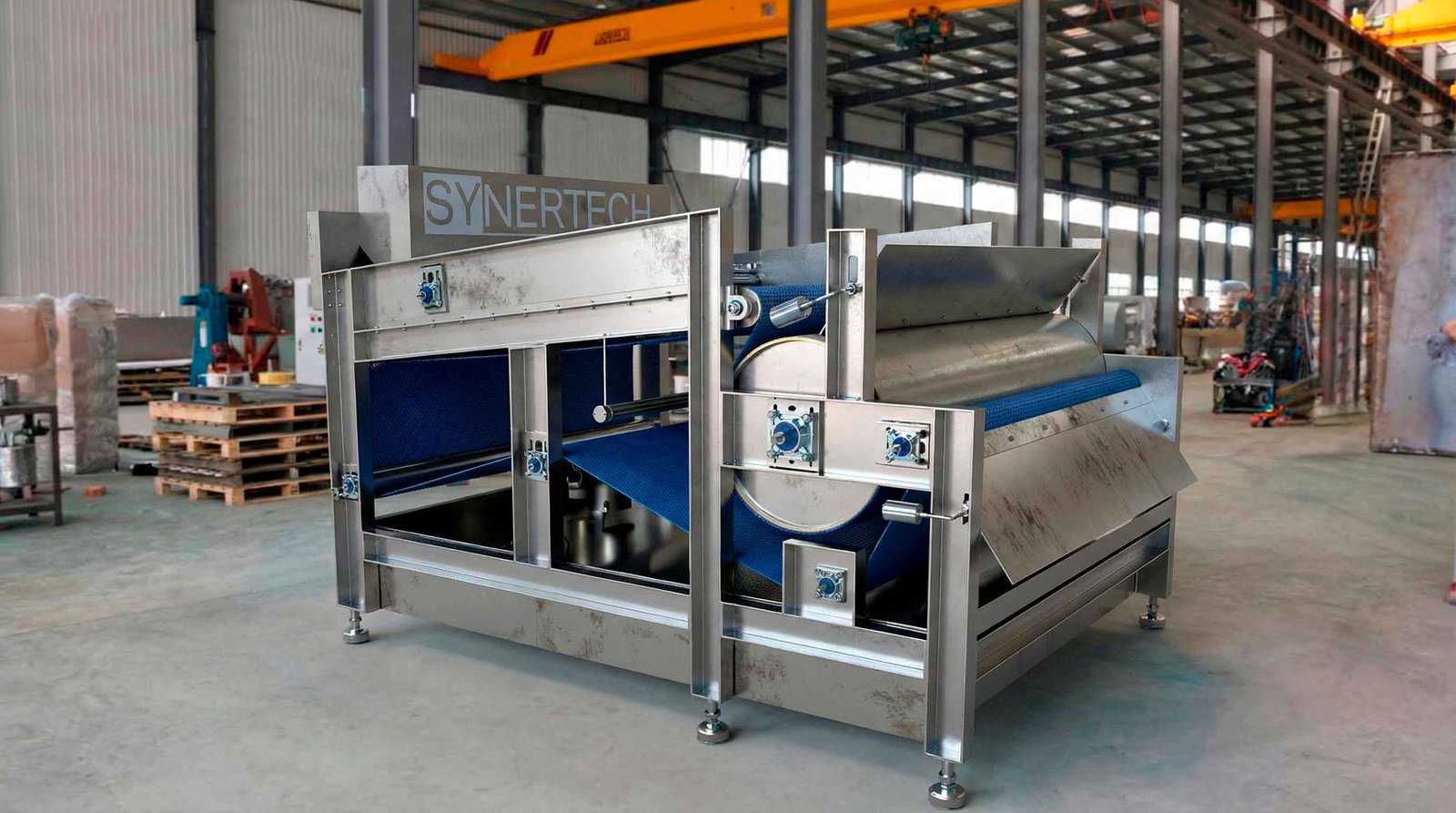
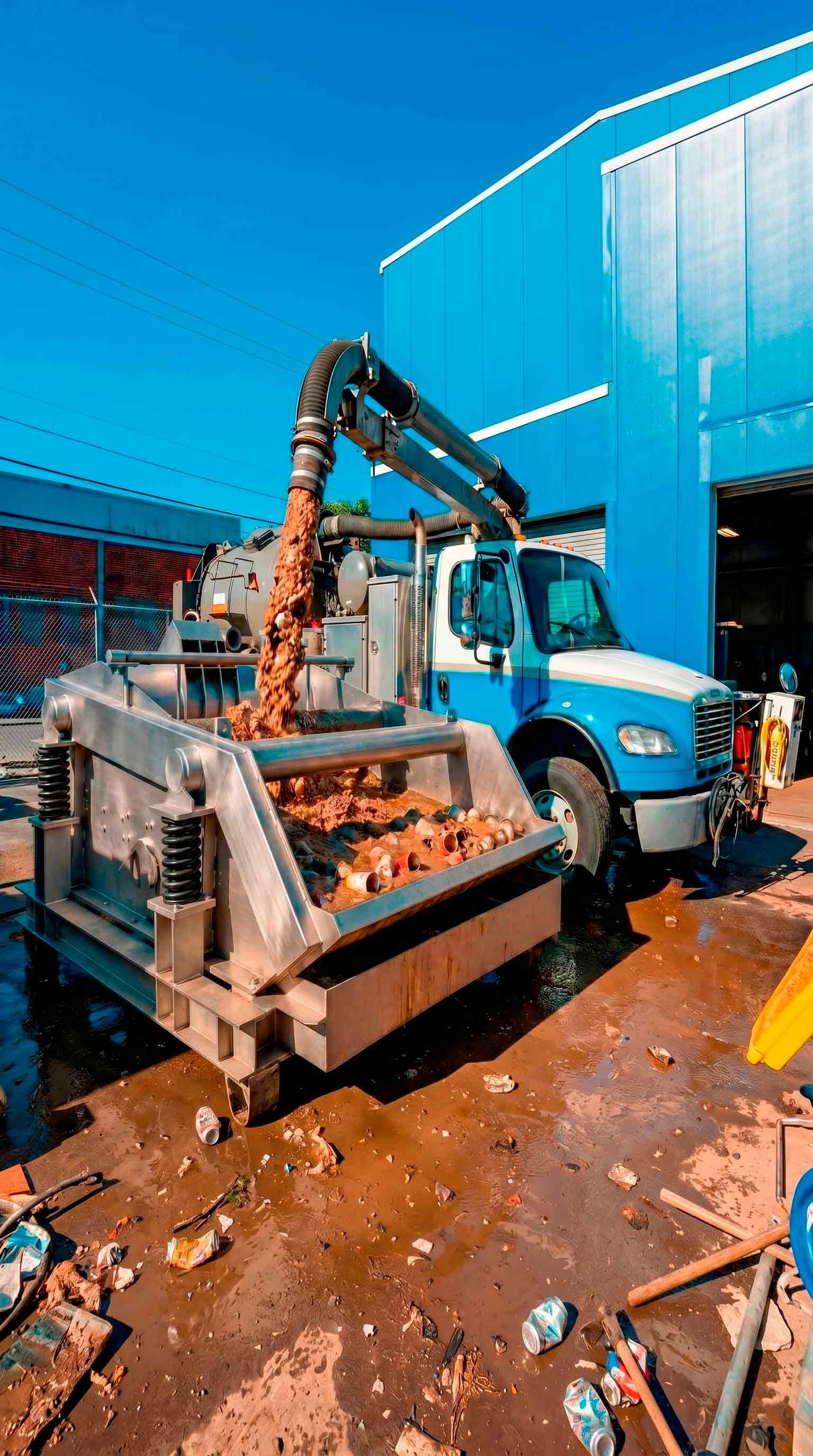
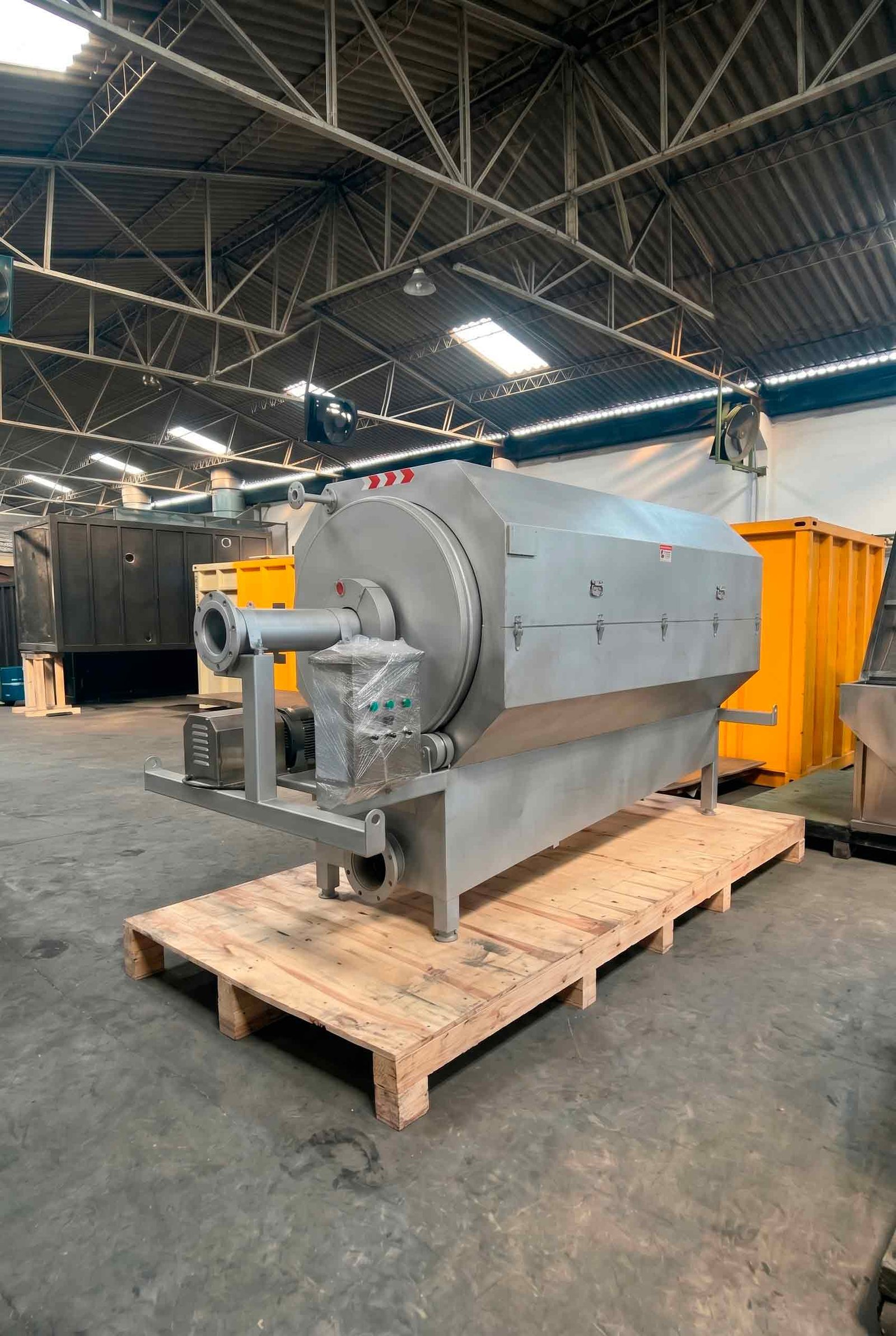
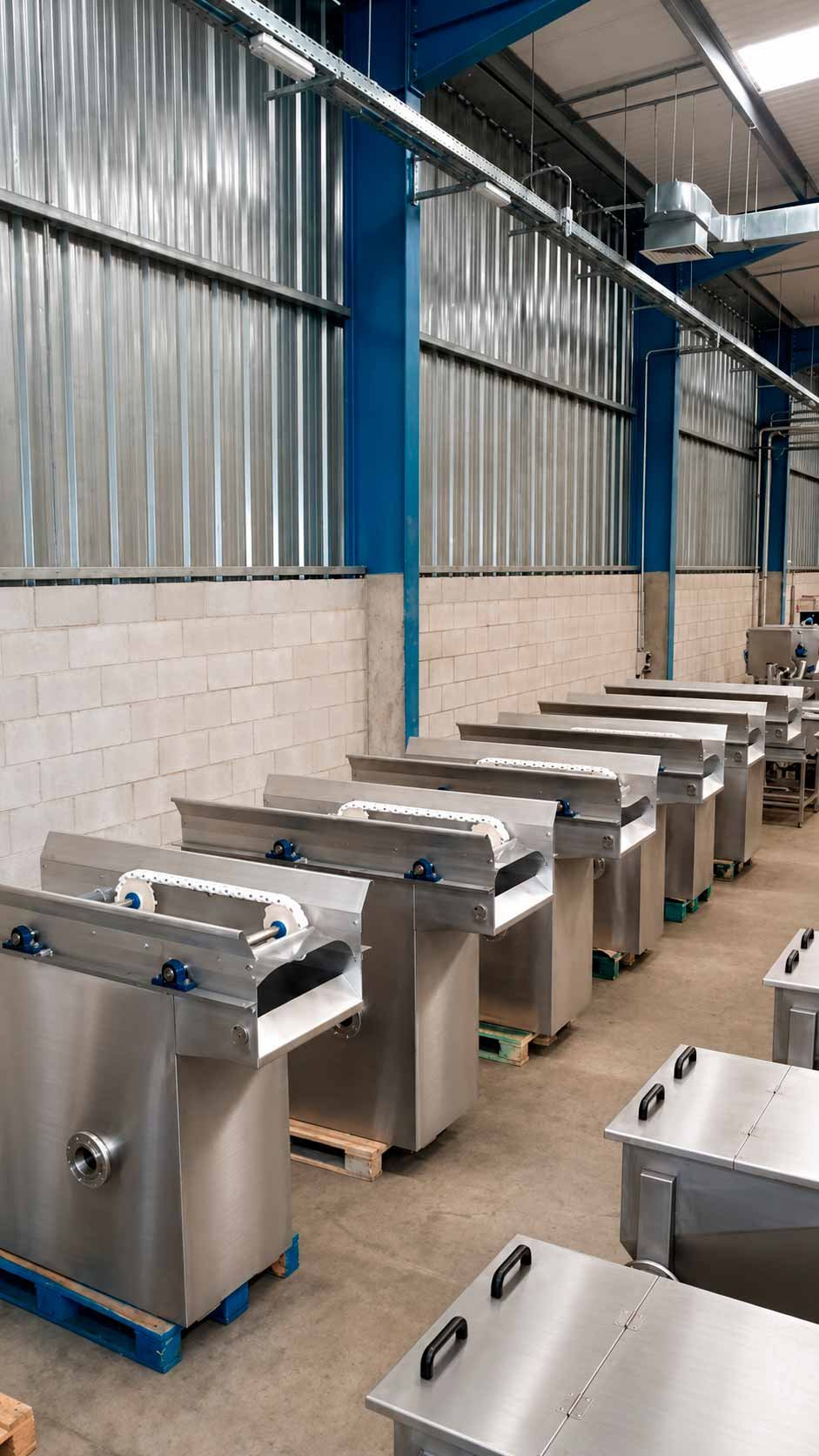
The system-protection stage. Raw wastewater passes through a rotary, static or screw screen that retains coarse solids such as scales, plastics and meat residues. The effluent then enters an equalization tank that stabilizes flow and pH peaks.

  • Protects pumps against clogging.
  • Reduces the initial physical load.
  • Provides a consistent feed to the rest of the plant.

Mechanical separation of large solids.

Phase 2: Primary Treatment

Physicochemical Flotation
(DAF / CAF)

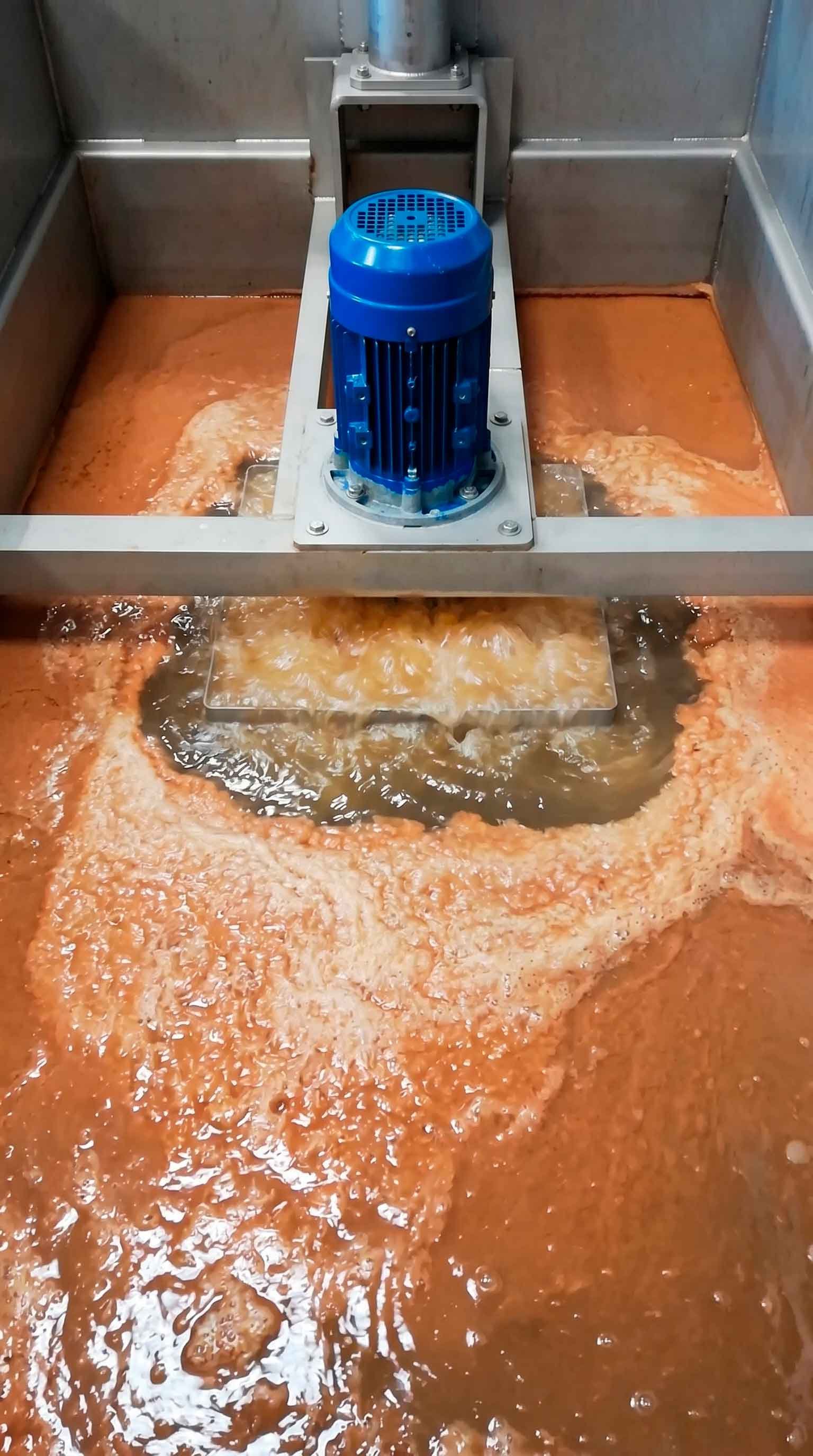
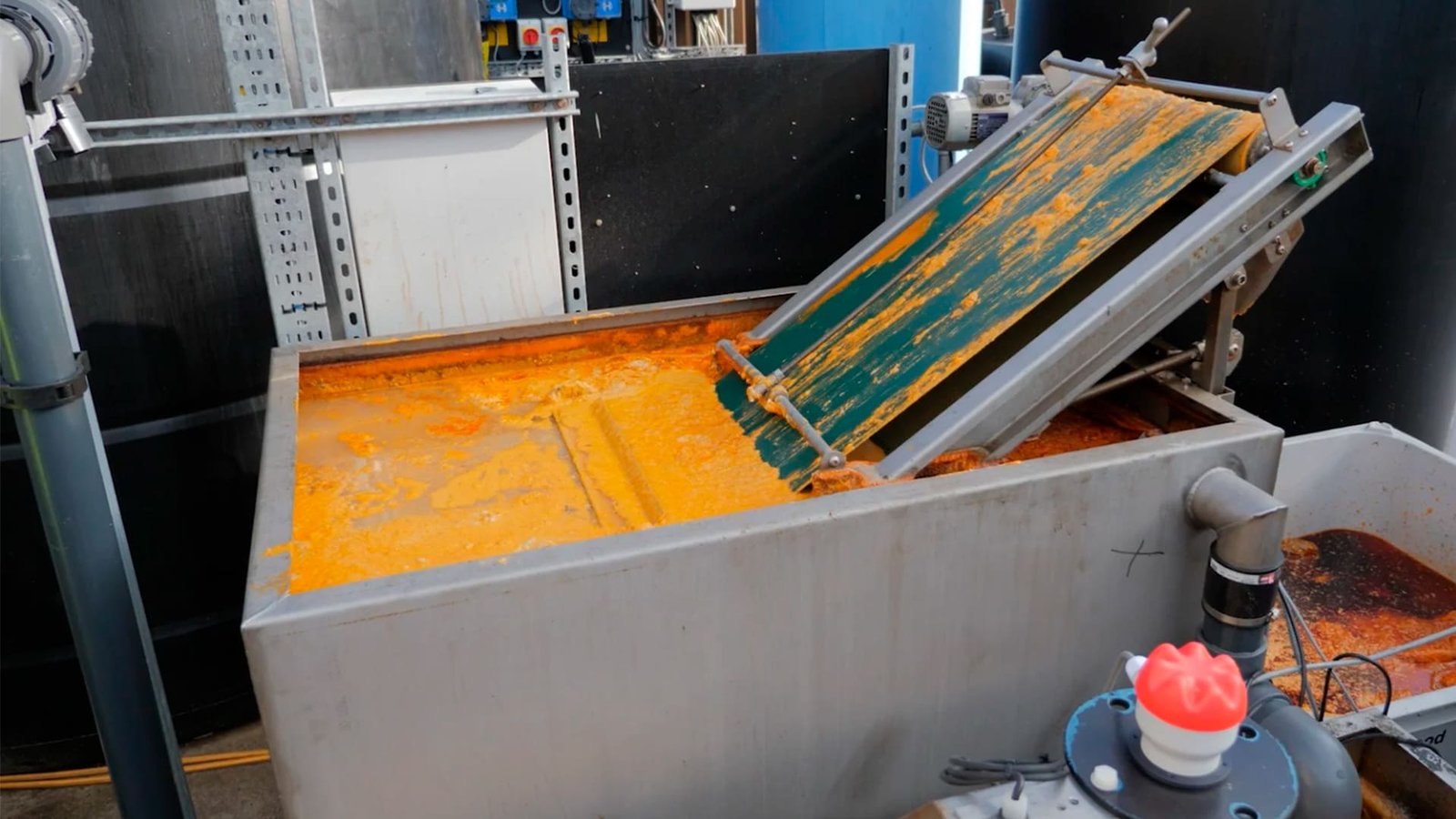
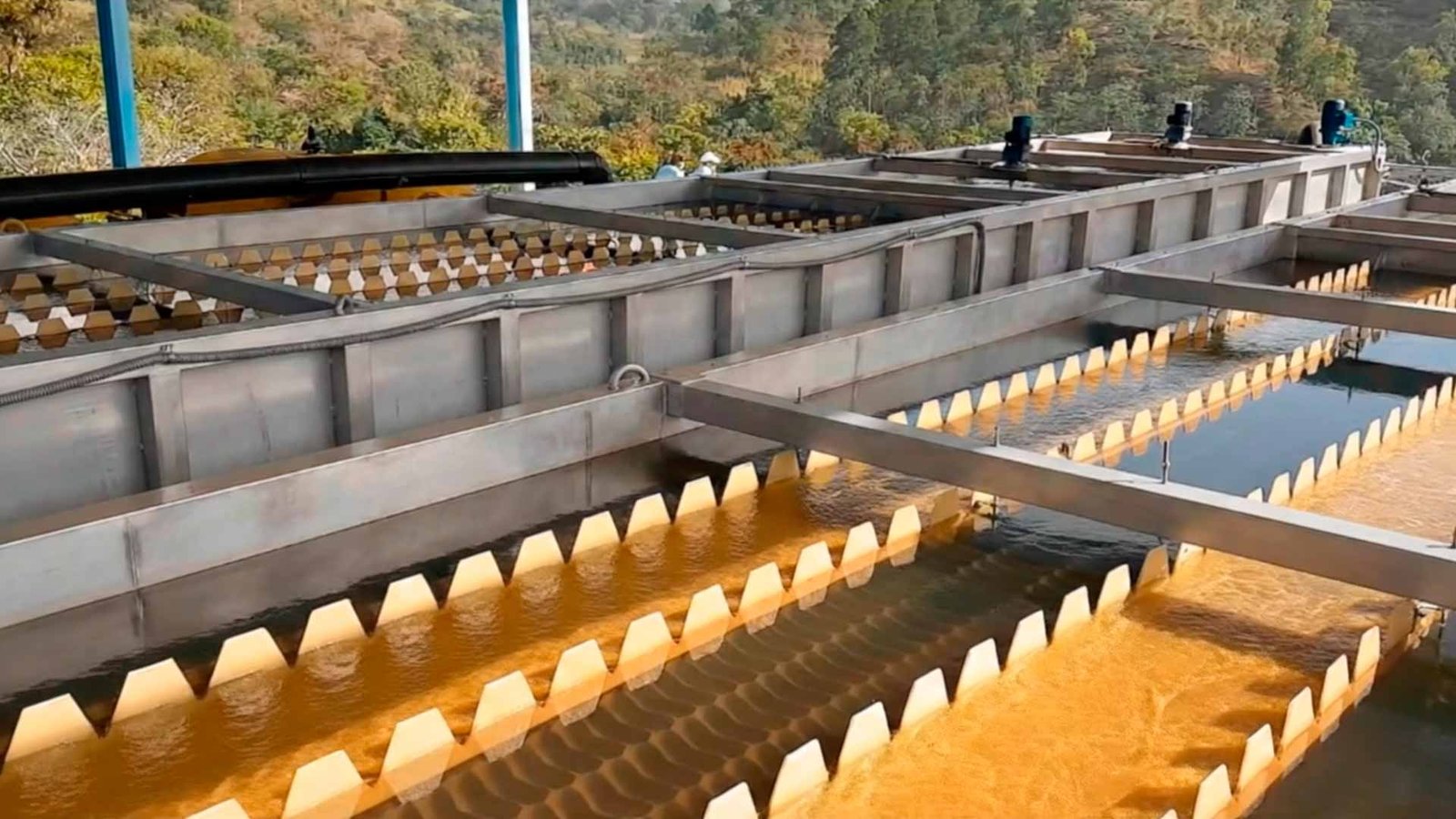
The primary barrier for food and livestock industries. Coagulants and polymers group fats, oils and emulsions. Microbubble injection then carries this contaminant mass to the surface for mechanical removal.

Emulsified Water + O₂ → Floating Sludge + Clarified Water

The Critical Role of DAF: Bacteria cannot process high oil concentrations effectively. The flotation system removes up to 95% of fats, oils and grease before they affect the biological reactor.

Phase 3: Biological Core

MBBR Reactor and
Clarification

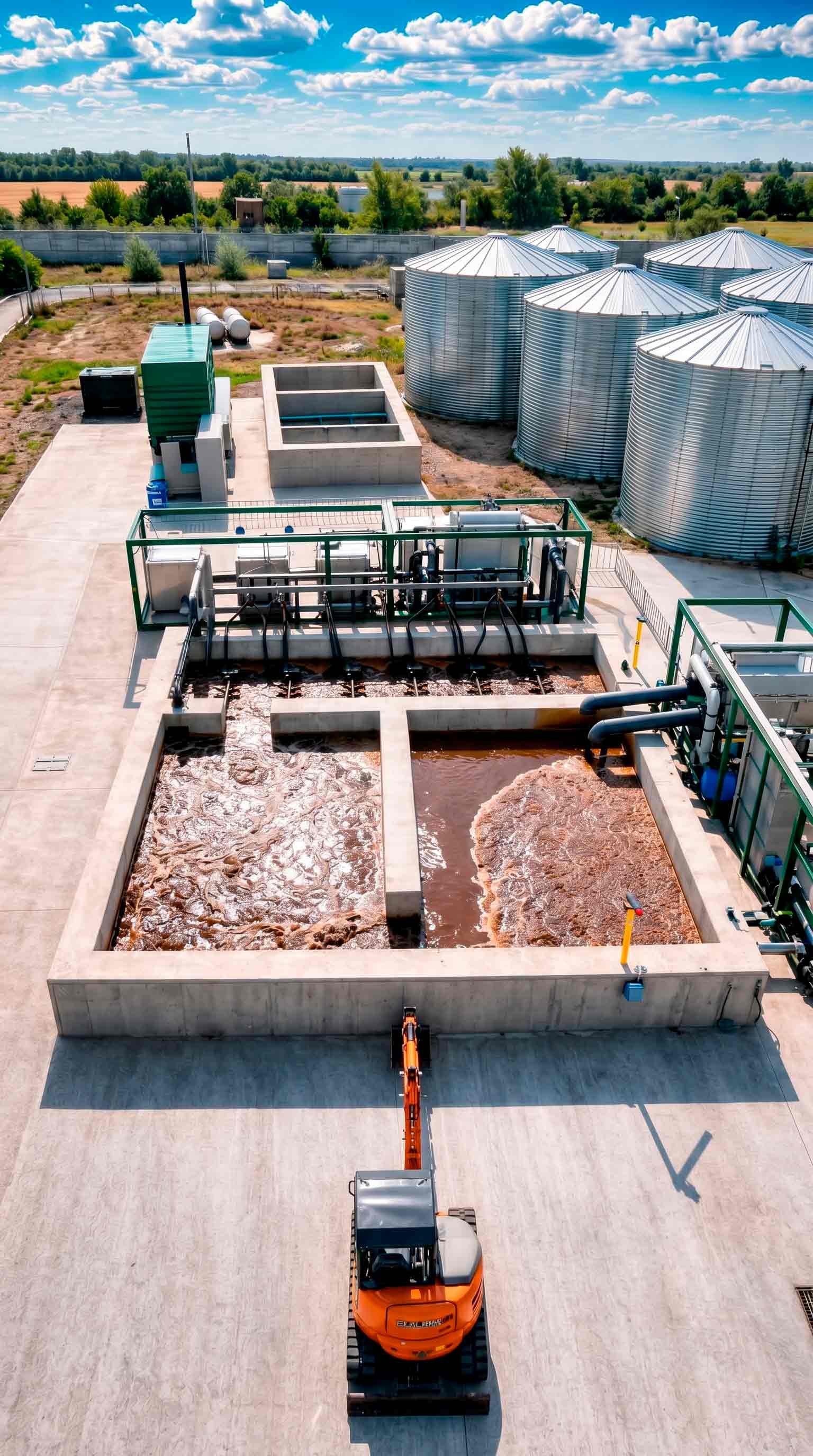
The grease-free effluent enters the biological core. Millions of bacteria attached to plastic carriers consume dissolved organic matter (BOD/COD). After digestion, the water passes to an Inclined Plate Clarifier, where heavy biomass settles as sludge.

Accelerated Aerobic Digestion

Constant oxygen injection through fine-bubble diffusers keeps bacteria active and supports treatment of contaminants such as ammonia.

Active Biomass DIGESTION: 98%
Phase 4: Tertiary Treatment

Advanced Oxidation
(Ozono / POA)

For effluents requiring premium quality. Ozone or other strong oxidants act at the molecular level to break down refractory compounds such as pesticides, dyes and phenols that biological treatment cannot remove, reducing strong color and odors.

Phase 5: Optical Clarity

Multimedia / Silica
Filtration

The nearly treated water is forced through deep-filtration tanks containing layers of gravel, quartz sand and anthracite. This physical barrier retains microscopic suspended solids and improves effluent clarity and transparency.

Phase 6: Final Biosafety

UV Disinfection
(Odor Reduction)

The final step before discharge or industrial reuse. Water passes through UV-C radiation chambers that inactivate viruses, bacteria and fecal coliforms by damaging their DNA.

Safe Final Effluent

The final result is high-quality water that meets applicable environmental standards and can be reused for cleaning or irrigation.

Phase 7: Toxic Gas Removal

UV Photocatalysis
with Titanium Dioxide

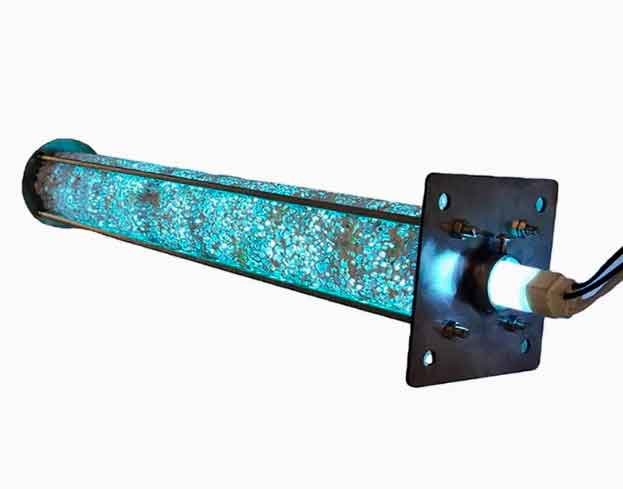
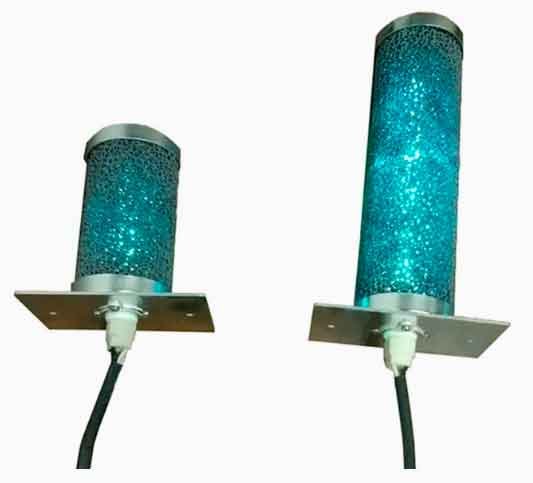
An advanced barrier for effluent purification. It combines titanium dioxide ceramic filters with UV-C irradiation to break down microcontaminants, pathogens and refractory organic matter that survives conventional treatment.

Ceramic Matrix and UV Activation

TiO₂ accelerates the reaction without being consumed. Photonic energy excites TiO₂ electrons, generating hydroxyl radicals that mineralize complex organics into CO₂ and H₂O.

COMMERCIAL NOTE: This advanced treatment module is optional and sized specifically according to the project's final water-quality requirements.

TiO₂ Filter Ceramic Filter
UV Chamber UV Chamber
10-YEAR STRUCTURAL WARRANTY

Containerized Plants
Zero Corrosion

Biological treatment creates highly corrosive environments due to constant moisture and gases such as hydrogen sulfide (H2S). To withstand these conditions, we coat steel structures with high-temperature-cured polyurea. This durable elastomer seals the metal and protects it against corrosion.

Internal Coating

  • 1 Sandblasting Cleaning (White Metal)
  • 2 High-Adhesion Epoxy Primer
  • 3 Structural Pure Polyurea (2-3 mm)
  • 4 Spark Test for Complete Pinhole Detection

External Coating

  • 1 Mechanical Surface Preparation
  • 2 Protective Polyurea Base (1 mm)
  • 3 Non-Slip Texture (Optional)
  • 4 UV-Resistant Aliphatic Polyurethane Finish
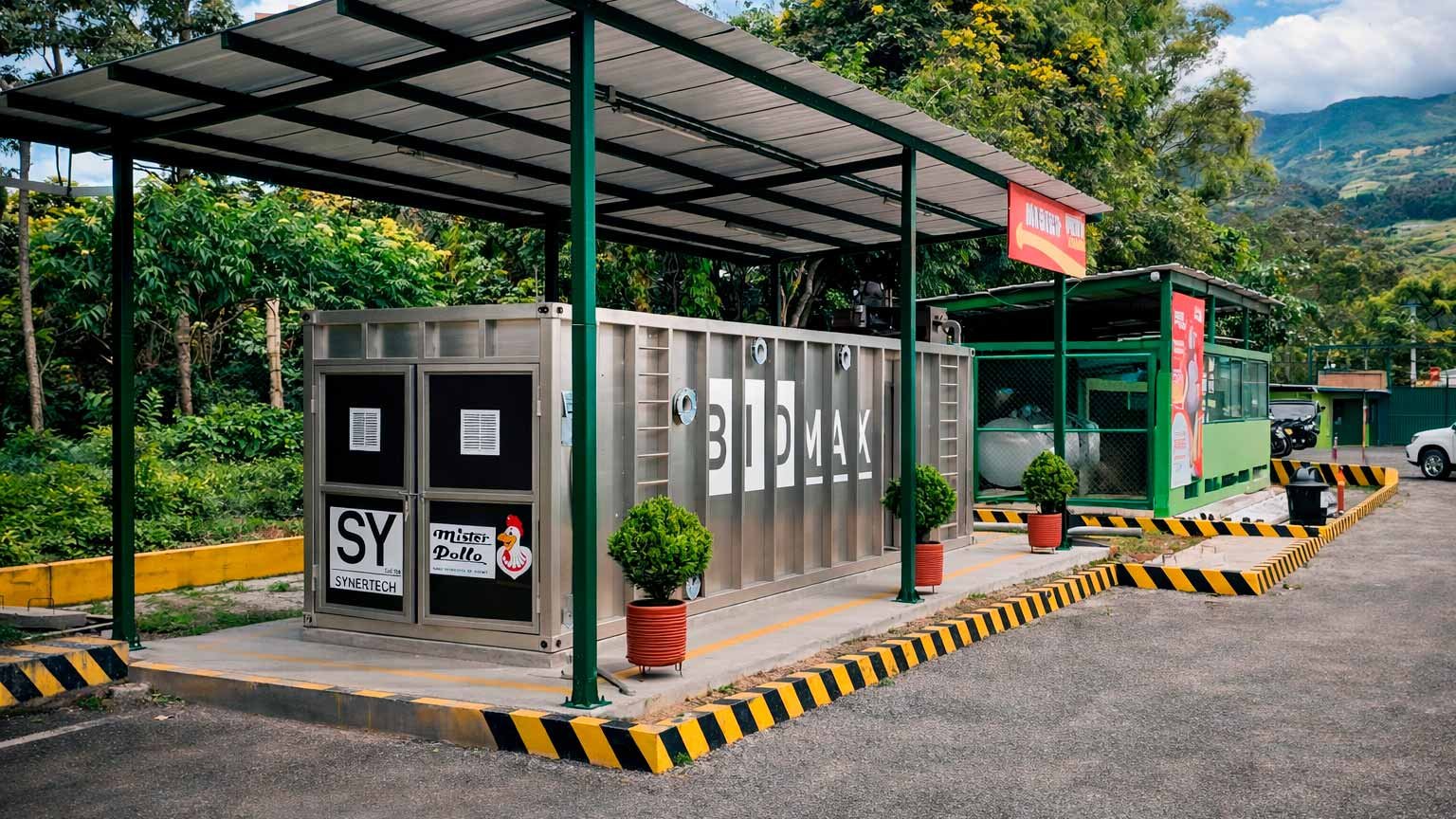
BIOMAX Plant Installation
Synertech Support

More Than 35 Years of
Engineering Excellence

We are leaders in the manufacture and implementation of wastewater treatment systems. Our technical expertise allows us to design and manufacture BIOMAX specifically for food, beverage and livestock-production applications, from small-business flows to large industrial volumes.

With established operations in 14 Latin American countries, we provide technical support, biomass supply and maintenance services required to meet demanding regional environmental standards.

Engineering and CAD Design 98%
In-House Manufacturing 100%
Food & Beverage Compliance 100%
Synertech Engineering Team

+35

Years of Experience

International Environmental Regulations

Protect your facility from penalties and operational shutdowns. BIOMAX supports discharge parameters applicable to the food industry throughout the Americas.

COUNTRY APPLICABLE ENVIRONMENTAL REGULATION
Colombia COLOMBIA Resolution 0631 of 2015 - Point-source discharges to surface waters and sewer systems.
México MÉXICO NOM-001 and NOM-002 - Maximum permissible contaminant limits.
WE ANSWER YOUR TECHNICAL QUESTIONS

STRATEGIC DECISIONS ABOUT
WASTEWATER TREATMENT PLANTS

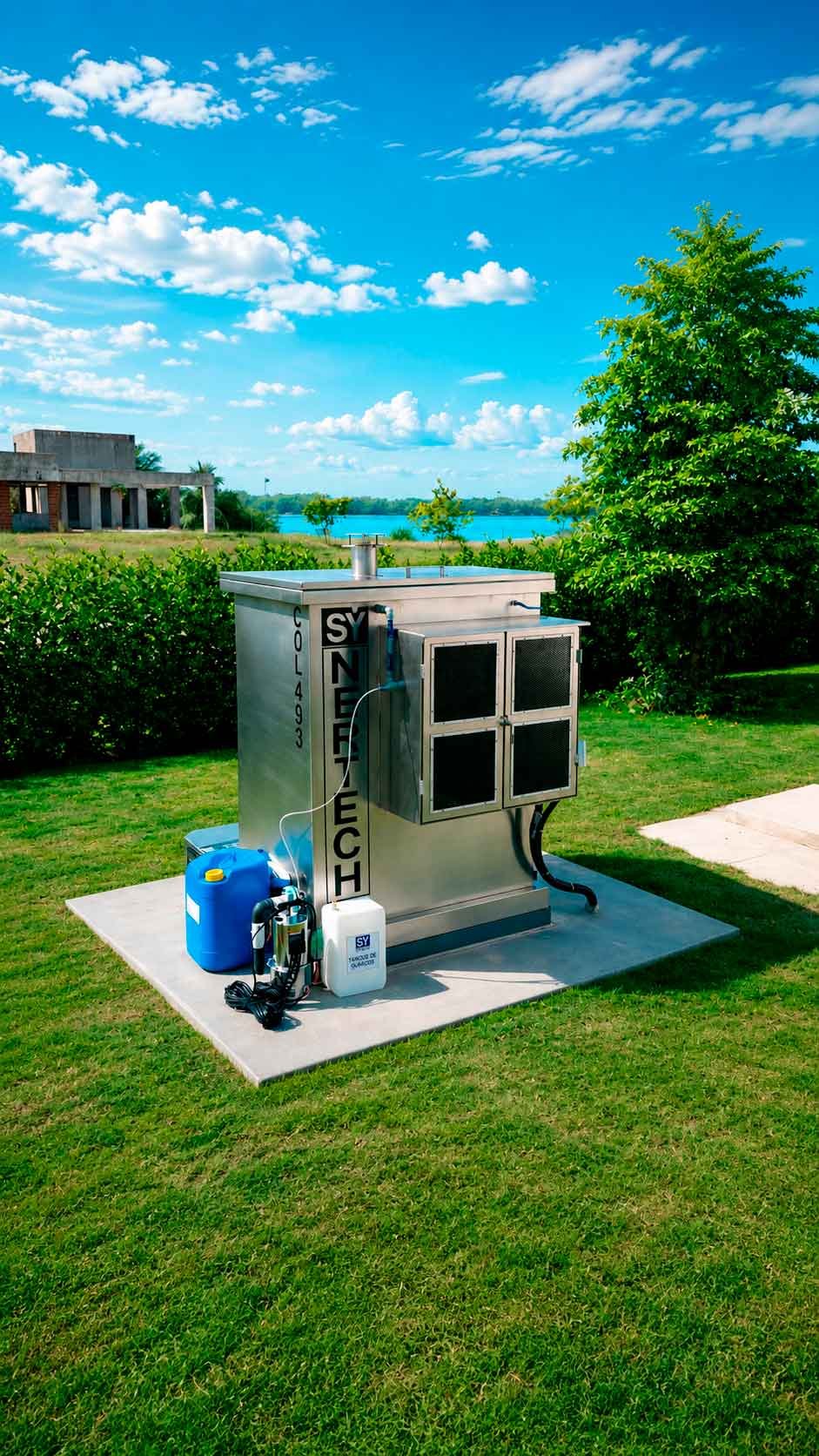
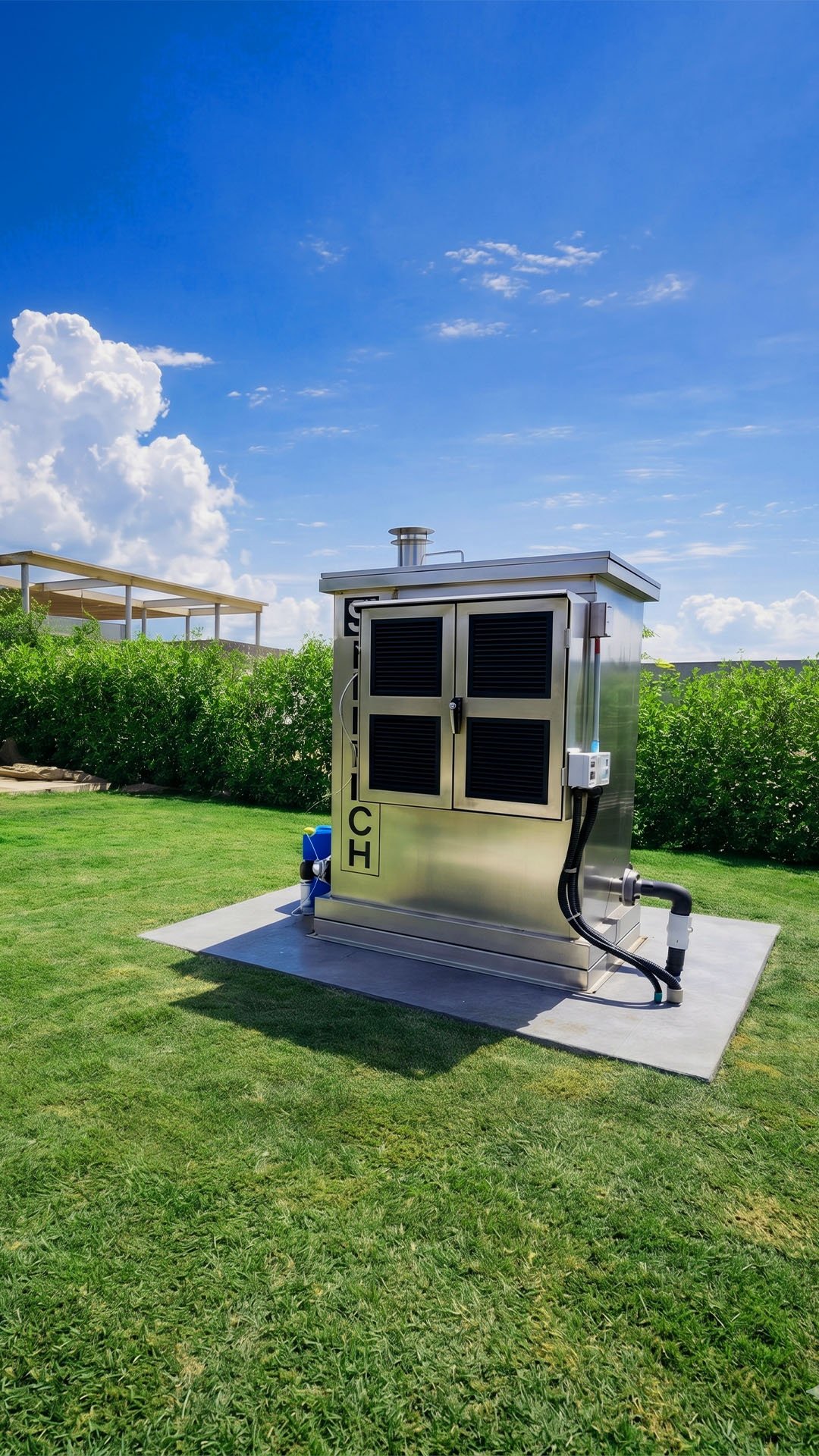
BIOMAX modular plants are designed in a Plug & Play format and built within marine-grade containerized structures. This reduces the cost and uncertainty of major civil works, shortens installation time and allows relocation if the facility moves.

Unlike systems that are entirely physical or biological, BIOMAX combines both approaches. The DAF stage removes up to 95% of fats and oils that could affect bacteria, while the MBBR reactor treats high dissolved organic loads and supports operational stability during production peaks.

Environmental authorities enforce strict requirements. We design and manufacture treatment plants with robust engineering capacity to absorb contaminant-load peaks and support continuous compliance with local and international discharge regulations such as Colombia's Resolution 0631 and Mexico's NOM-001.

Solutions at an
Industrial Scale

More than 35 years manufacturing and implementing treatment plants and purification equipment under demanding international standards.

HEADQUARTERS

Cra 70 No. 75 - 78, Barranquilla, COL

DIRECT ENGINEERING LINE

+57 301 317 9017

Manufacturing in Stainless Steel (304/316L)
Compliance with Local Environmental Regulations
Engineering, Shipping and Installation throughout LATAM

TECHNICAL QUOTATION REQUEST

Complete the fields for an accurate engineering assessment.